



World
20 US States Challenge Trump's 100K dollar H-1B Visa Fee in Federal Lawsuit
Published On Sat, 13 Dec 2025
Fatima Hasan
0 Views
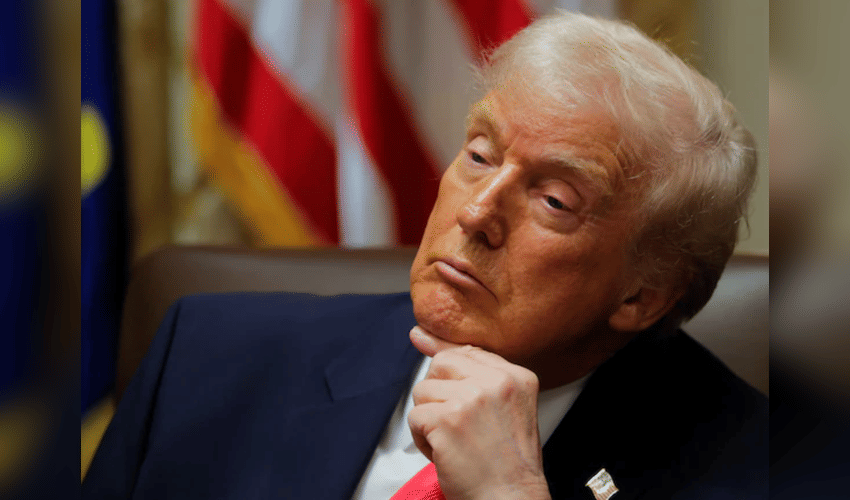

Twenty US states have filed a lawsuit opposing the Trump Administration’s decision to impose a $100,000 fee on new H-1B visa petitions, arguing that the move is unlawful and risks disrupting essential public services. The legal challenge focuses on a Department of Homeland Security policy that dramatically raises costs for employers hiring high-skilled foreign workers through the H-1B programme, which is widely used by hospitals, universities, and public schools. California Attorney General Rob Bonta, who is leading the lawsuit, said the administration did not have the legal authority to introduce such a fee.
Bonta stated that California’s economy benefits significantly from global talent and that skilled workers help drive growth across key sectors. He warned that President Trump’s $100,000 H-1B fee places unjustified and illegal financial pressure on public employers and critical service providers, worsening labour shortages. President Trump authorized the fee through a proclamation issued on September 19, 2025. DHS applied the policy to H-1B petitions submitted after September 21 and granted the Homeland Security Secretary broad discretion to decide which applications are subject to the charge or exempt from it.
The states contend that the policy violates both the Administrative Procedure Act and the US Constitution by bypassing mandatory rulemaking procedures and exceeding congressional authority. They argue that H-1B-related fees have traditionally been limited to covering administrative costs. Currently, employers pay between $960 and $7,595 in combined statutory and regulatory fees for initial H-1B petitions. Federal law also requires employers to certify that hiring H-1B workers will not harm US workers’ wages or working conditions. Congress caps most private-sector H-1B visas at 65,000 annually, with an additional 20,000 reserved for applicants with advanced degrees, while government and non-profit employers are generally exempt.
The attorneys general warn that the new fee would deepen staffing shortages, especially in education and healthcare. During the 2024–2025 school year, 74 percent of US school districts reported difficulty filling vacancies, particularly in special education, sciences, ESL or bilingual education, and foreign languages. Educators represent the third-largest group of H-1B visa holders.
Healthcare also depends heavily on the programme. In fiscal year 2024, nearly 17,000 H-1B visas were issued for medical and health-related occupations, about half of them to physicians and surgeons. The US is projected to face a shortage of 86,000 doctors by 2036. The lawsuit was filed by Attorneys General Rob Bonta of California and Andrea Joy Campbell of Massachusetts, along with counterparts from Arizona, Colorado, Connecticut, Delaware, Hawaii, Illinois, Maryland, Michigan, Minnesota, Nevada, North Carolina, New Jersey, New York, Oregon, Rhode Island, Vermont, Washington, and Wisconsin. The H-1B programme remains a crucial route for skilled foreign professionals, including many Indian workers in technology, healthcare, and academic research.
Disclaimer: This image is taken from NDTV.



