



Asia In News
West Asia conflict hits handicrafts, mango exports: Industry
Published On Sat, 28 Mar 2026
Asian Horizan Network
3 Views

New Delhi, March 28 (AHN) The ongoing tensions in West Asia have begun to impact India's exports, with sectors such as handicrafts and mango shipments witnessing significant disruptions, industry stakeholders said.
According to exporters, a substantial portion of India's trade -- nearly 50-60 per cent in some sectors -- is linked to Middle Eastern markets, where demand typically peaks during the Ramzan period.
Kashmir Chamber of Commerce and Industry (KCCI) President Javid Tenga told AHN that the West Asia conflict has severely affected business activity this season.
"Sales usually surge during Ramzan, but this time the ongoing tensions have brought trade to a halt, dealing a major blow to exporters," he said.
Tenga also added that large volumes of export consignments are currently stranded in India due to the disruptions, while payments for shipments already dispatched are also being delayed.
He said that exporters are facing pressure as their pre-shipment and post-shipment banking limits are nearly exhausted.
In view of the situation, exporters have sought at least a six-month extension in credit facilities from the government to ease liquidity stress.
The handicrafts sector has been among the worst affected, with market closures and restricted movement in the West Asia bringing sales to a near standstill.
"Handicraft exports have been impacted almost entirely, affecting the livelihoods of a large number of people associated with the sector," Tenga said.
Exporters said their concerns have been communicated to the government, and Director General of Foreign Trade (DGFT) Lav Aggarwal has taken note of the issue and assured that efforts are being made to address their problems.
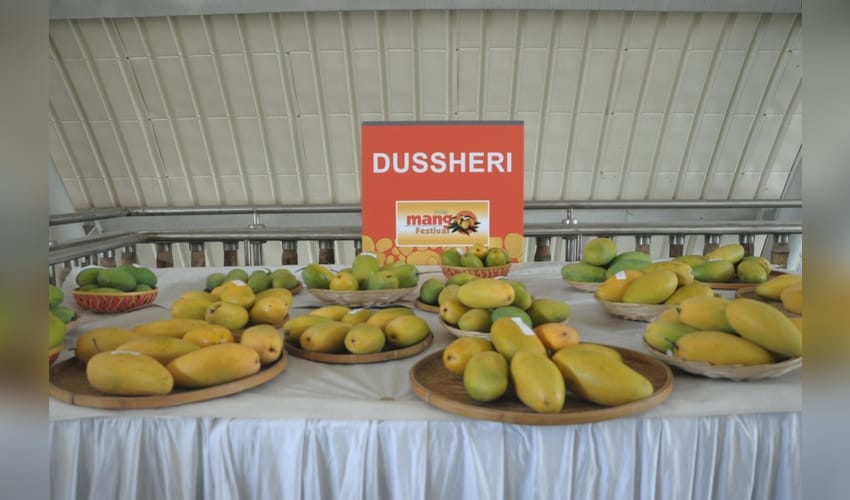
Meanwhile, Kay Bee Exports Chairman Prakash, J. Khakhar, said the crisis has also hit mango exports, with shipments now largely dependent on air cargo due to disruptions in sea routes.
He noted that air freight costs have nearly doubled from around Rs 300 per kg to Rs 600–650 per kg, significantly increasing the burden on exporters.
"Limited airline operations have affected connectivity, restricting exports to select destinations such as London, Singapore, Dubai, Hong Kong and Goa," Khakhar said.
He also added that higher costs and fewer options are leading to losses.
Moreover, exporters have urged the Union government to consider temporary air freight subsidies to offset rising logistics costs, alleging that airlines are charging higher rates amid limited competition under the open sky policy.
Mango prices have also seen sharp fluctuations, with early-season rates touching Rs 1,500-1,800 per unit before easing gradually.
Industry players also said that prices are likely to stabilise further as arrivals increase in the domestic market.



