



Military
Terror groups using online platforms to spread radicalisation, raise funds in SE Asia: Report
Published On Fri, 06 Feb 2026
Asian Horizan Network
1 Views
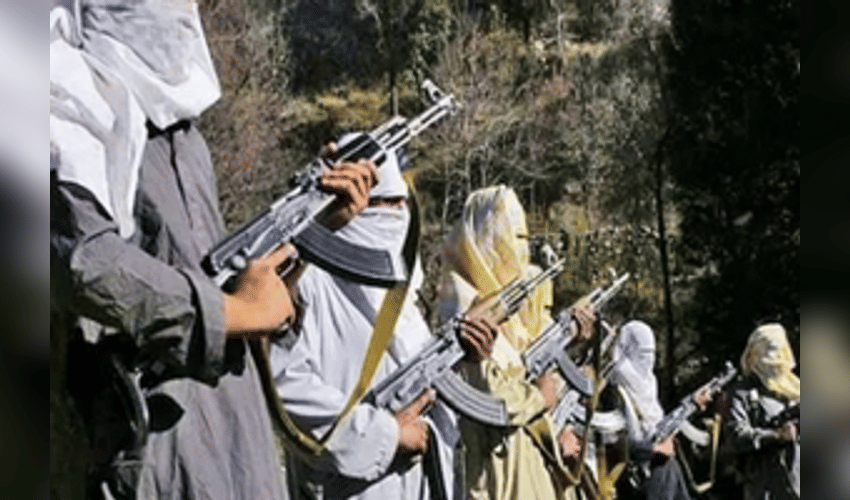

Washington, Feb 6 (AHN) Online radicalisation by the ISIS and its affiliates is a growing threat in Southeast Asia -- especially Philippines, Indonesia and Malaysia, a report has highlighted. It mentioned that strong internet penetration and use of social media is increasing the risk, allowing radical ideologies to spread quickly and the growing digital threat posing new security challenges for the Southeast Asian countries.
"Building on this, the ‘Southeast Asia angle’ in the Bondi Beach shooting in Australia points towards the worrying trend of localised radicalisation with regional linkages, connected at the wider level with Islamic State (IS) in the post-caliphate era. Investigators revealed that the two attackers involved in the Bondi Beach incident visited Mindanao, Philippines, before the attack, a region in the Philippines which has a history of Islamic insurgency movements," Rahul Mishra and Prisie L Patnayak wrote in Eurasia Review.
"While the Filipino officials debunked any indication that the two received training in Mindanao, the Bondi incident is a grim sign of the presence of IS and radical elements in Southeast Asia," the report stated.
The Bondi case showcases a defining feature of the post-caliphate era. Organised terror groups have weakened and major attacks have reduced in Southeast Asia but the threat has shifted to online platforms.
Following the territorial collapse of IS, extremists have implemented cyber-based policies. Terrorist groups use online platforms to spread propaganda, raise funds, and organise. Encrypted messaging apps like Telegram and WhatsApp allow extremists to share messages. Meme formats, commentary reels, and local languages allow terrorists to spread propaganda to a wider audience.
"As per media reports, 54 per cent of the cases in Malaysia involve support to Islamic State (ISIS) members via internet platforms. ISIS-K, formally known as Islamic State in Khorasan Province (ISKP), an IS affiliate operating primarily in the Afghanistan-Pakistan and Central Asian regions, have used Malaysia’s digital domain to disseminate radical ideology throughout Southeast Asia. In Indonesia alone, the National Counter-Terrorism Agency (BNPT) recorded over 180,000 pieces of extremist content circulating online throughout 2024," Rahul Mishra and Prisie L Patnayak wrote in Eurasia Review.
Pro-IS networks like At-Tamkin Malay Media Foundation also use such tactics. They use online media platforms to incite violence and recruit supporters. In February 2024, the Al-Aan Foundation made a recruitment video, urging people of Malaysia to migrate and to ‘rise up’ for oppressed Muslims.
Around 181 terror-related non-profit organisations are known to have sent money to these groups in Indonesia. Groups like ISIS exploit events like Israel's war in Gaza on social media, targeting youth as young as 12 years old using platforms like TikTok and Facebook, the Eurasia Review article stated.
Algorithms on online platforms further spread radical content, leading to self-radicalisation, giving birth to ‘lone wolf actors.’ These actors conduct political violence without direct support or order from an established terrorist network. Self-radicalisation is a main cause of terrorism threat in Southeast Asia, according to the report.
From 2013 to 2022, Indonesian courts dealt with 721 cases related to terrorism, with 360 involving people radicalised through online platforms. As many as 17 youths have been dealt with under the Internal Security Act (ISA) in Singapore in the past 10 years, with two-thirds of them found in the past five years, majority of them being radicalised on internet platforms.



