



World
South Korea's Defence Ministry launches new counterintelligence unit in overhaul
Published On Mon, 03 Aug 2026
Asian Horizan Network
1 Views
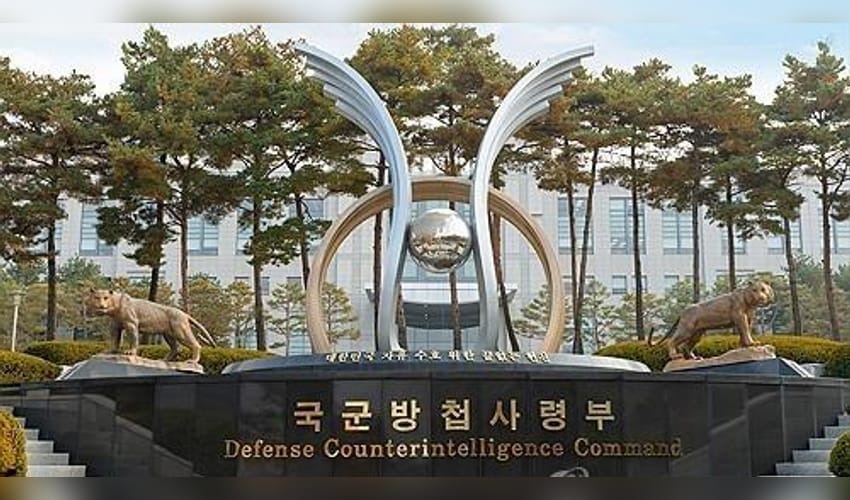

Seoul, Aug 3 (AHN) South Korea's defence ministry on Monday launched a new counterintelligence unit tasked with countering espionage and terror threats from North Korea and elsewhere, as part of a sweeping overhaul aimed at replacing a former unit long dogged by criticism over its political influence.
The new defence counterintelligence agency is one of three new bodies being established under the reform plan, after the ministry decided to disperse and transfer the core functions of the Defence Counterintelligence Command (DCC) to new and existing agencies.
The ministry unveiled the reform plans in early June to dismantle the DCC, marking the command's dissolution 49 years after its establishment.
The new counterintelligence unit will "proactively tackle future security threats" by working with domestic and foreign partner agencies to combat increasingly covert intelligence activities and terrorist threats from North Korea and other countries, the ministry said in a release.
It will also focus on preventing military secret leaks in the defence industry, while seeking to provide security support for other strategic areas, such as maintenance, repair and overhaul (MRO) operations being pursued in cooperation with the US Navy, reports Yonhap news agency.
Also, a major task will be protecting advanced technologies like artificial intelligence (AI) and satellite systems against potential cyberthreats, the ministry added.
A launch ceremony was held at the former headquarters in Gwacheon, just south of Seoul, attended by Defence Minister Ahn Gyu-back and other military officials.
A new security support unit was also launched within the ministry on the same day. It will mainly oversee internal military security, including security audits for corps-level units or larger formations and investigation into security breaches, the ministry said.
The DCC has often been criticised for wielding excessive powers through its unique intelligence-gathering roles and has undergone a series of reform efforts under previous administrations.
Its involvement in former President Yoon Suk Yeol's failed martial law imposition on December 3, 2024, had reignited calls for reform.
The reform plans also call for creating a separate investigative unit to handle crimes threatening national security, such as espionage, treason and cybersecurity threats.



