



Economy
Samba paddy harvest boosts prices of premium varieties across TN
Published On Mon, 26 Jan 2026
Asian Horizan Network
1 Views
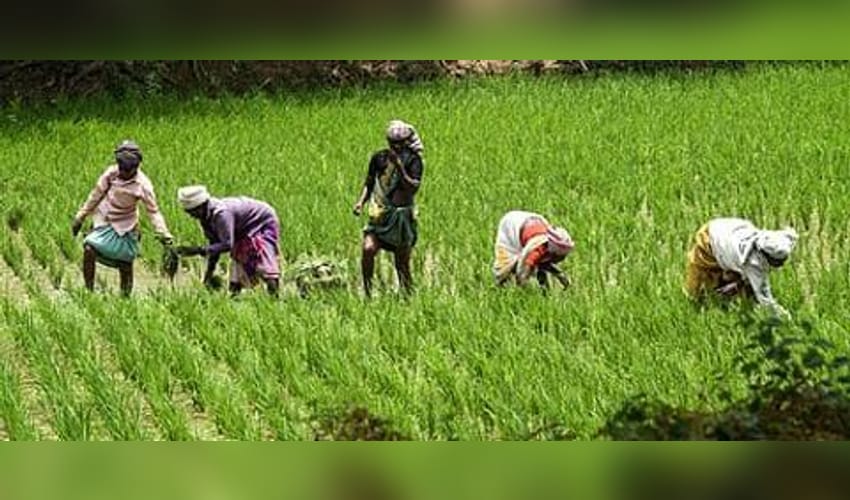

Chennai, Jan 26 (AHN) As the samba paddy harvest gathers pace across the southern districts of Tamil Nadu, the open market has witnessed a sharp rise in the sale and prices of finer and superfine paddy varieties, offering farmers better returns than last year.
Market participants say prices of premium varieties have increased by up to 30 per cent, driven largely by reduced inflows from neighbouring states and steady consumer demand. Samba paddy cultivation, typically undertaken between September and January, is now entering its peak harvest phase.
With arrivals increasing in mandis, trading activity has intensified, particularly for finer and superfine varieties that are preferred by rice millers for their superior milling recovery and strong market acceptance. These varieties continue to command higher prices compared to coarse grades.
Farmers note that the current season has brought a welcome turnaround from last year, when prices remained largely subdued despite satisfactory production levels. This year’s improved price realisation has helped offset rising cultivation costs and renewed optimism among growers.
Industry representatives point out that Tamil Nadu remains heavily dependent on neighbouring Karnataka for its rice requirements. However, paddy cultivation in Karnataka has declined significantly this season due to infrastructure works at the Tungabhadra dam, leading to lower availability in the inter-state market. This shortfall has pushed up demand within Tamil Nadu, resulting in notable price increases.
Widely traded varieties such as 'RNR' and 'Akshaya', which sold at around Rs 26 and Rs 31 per kg last year, are now fetching approximately Rs 29 and Rs 35 per kg, respectively. Trade experts believe that the improved price scenario could encourage farmers to shift towards high-demand, market-driven varieties in the coming seasons. Such a move could gradually help Tamil Nadu reduce its dependence on external sources for meeting its rice needs.
The experts estimate that nearly 60 per cent of finer and superfine varieties currently supplied to the state originate from neighbouring regions. The Vaigai basin has been identified as particularly suitable for cultivating premium varieties, and stakeholders have called for focused efforts to promote such crops.
To support market stability, trade bodies have also partnered with rice millers in Madurai to utilise drying, packing, and storage facilities with a combined capacity of around 25,000 tonnes, which could help manage fluctuations in arrivals and demand.
Despite the positive price trend, farmers remain cautious due to prevailing humid weather conditions. Many have warned that prolonged humidity could increase the risk of pest attacks and crop diseases, potentially affecting yields during the remaining harvest period.



