



Asia In News
PM Modi highlights how carbon capture can power India's next steel revolution
Published On Wed, 11 Feb 2026
Asian Horizan Network
1 Views
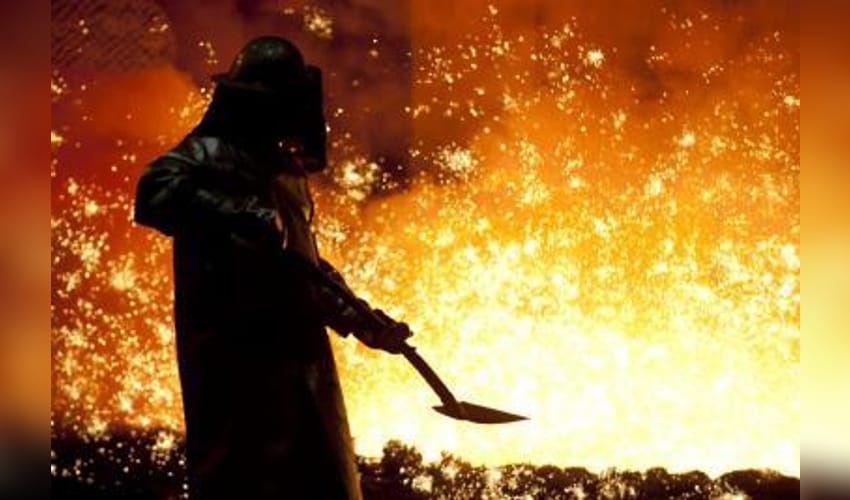

New Delhi, Feb 11 (AHN) Prime Minister Narendra Modi on Wednesday highlighted how carbon capture can power India’s next steel revolution as the country’s guided efforts towards Net Zero 2070 commitment, strategic investments, and hydrogen initiatives drive growth, global competitiveness, and lead the road to a Viksit Bharat.
PM Modi referred to an article by Union Steel Minister H.D. Kumaraswamy about India’s iron and steel sector being at a defining moment in its development journey. As the second largest crude steel producer in the world, with an output of around 152 million tonnes (MT) in FY 2024-25, the sector is fundamental to the country’s economic growth, infrastructure expansion and employment generation. With a target of achieving 300 MT of crude steel capacity by FY 2030–31 under the National Steel Policy 2017 and a longer-term vision of reaching 500 million tonnes by 2047, steel will remain central to India’s industrial and developmental aspirations.
The minister points out that at the same time, steel production is energy-intensive and emissions-intensive. India’s steel industry continues to rely predominantly on blast furnace and coal-based direct reduced iron production routes that use coal as the primary energy and reducing agent. As a result, the sector contributes nearly 10 to 12 per cent of the country’s total greenhouse gas emissions.
Addressing this challenge is not only an environmental imperative to achieve Net Zero by 2070 but also a strategic necessity to ensure the competitiveness of Indian steel in an increasingly carbon-conscious global economy. The government has begun laying the foundation for a decisive transition towards cleaner steelmaking, the minister observes.
The introduction of the green steel taxonomy marks an important milestone by defining emission intensity benchmarks (less than 2.2 tCO2e/t-fs) and providing a clear framework to identify and reward low-emission steel products as ‘green steel’ with 3 to 5 star ratings. This policy clarity can unlock demand for cleaner steel across infrastructure, construction and manufacturing sectors, while encouraging producers to invest in emissions reduction technologies, he said.
Kumaraswamy also underscored that in parallel, the Steel Ministry has been allocated Rs 455 crore under the National Green Hydrogen Mission to pilot the use of green hydrogen in steel production. This initiative signals a strong commitment to transformative technologies that can reshape steel production pathways in the coming years. Together, these measures reflect a growing recognition that decarbonising steel is integral to India’s broader climate and industrial strategy.
He said that these measures will accelerate the low-carbon steel production; however, to achieve Net Zero, the Indian steel industry is also working towards carbon capture, utilisation, and storage. Against this backdrop, the allocation of Rs 20,000 crore in the Union Budget for piloting carbon capture utilisation and storage technologies across five sectors, including steel, represents a decisive policy intervention. For the steel industry, carbon capture holds exceptional relevance towards the complete elimination of emissions, which is so far challenging even with improved energy efficiency and renewable power.
Carbon capture systems offer a direct and effective solution to address these process-related emissions. By capturing carbon dioxide from blast furnaces and direct reduced iron operations before it is released into the atmosphere, CCUS technologies can deliver substantial emissions reductions while allowing existing plants to continue operating. This makes CCUS a powerful tool for India, where a large base of steelmaking assets will remain in service for decades, the minister added.



