



World
Part of 'meticulous design': Report questions rise of mob violence in Bangladesh during Yunus' tenure
Published On Sat, 09 May 2026
Asian Horizan Network
4 Views
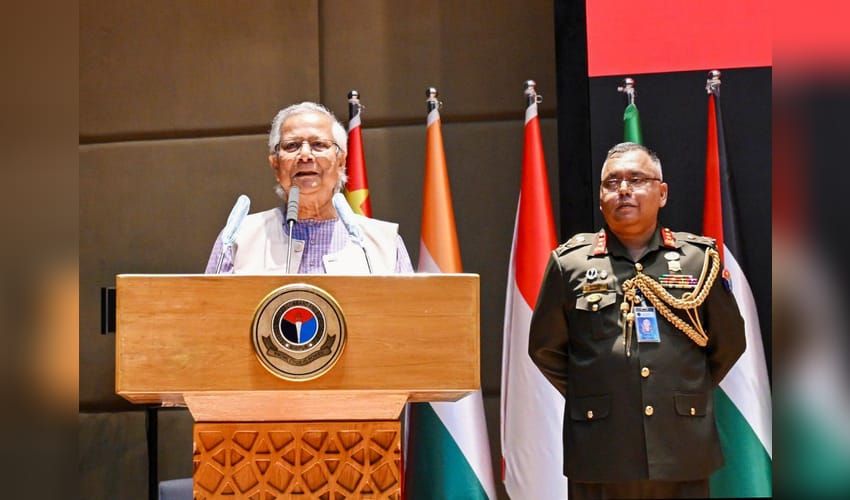

Dhaka, May 9 (AHN) Bangladesh witnessed a rise of mob violence during the 18-month tenure of the Muhammad Yunus-led interim government, with critics arguing that these incidents were not isolated outbursts of anger but part of a wider climate of "organised disorder".
According to a report in ‘Bangladesh Pratidin’, following the political upheaval of August 2024, the country was gripped by widespread unrest, including attacks on police stations, arson, looting, and violent reprisals across different parts of the country.
Although the interim government pledged reform and stability after the ouster of Sheikh Hasina-led Awami League government, the period was marked by an escalation in mob-driven intimidation, violence and lawlessness.
Citing data from Dhaka-based rights group Ain o Salish Kendra (ASK), the report noted that at least 308 people were killed in incidents of mob violence during the interim government's rule.
Several rights activists working on the ground, it said, claim the actual figure could be much higher, while reports from various monitoring organisations reported an alarming surge in incidents of mob attacks, harassment and intimidation during that period.
“The debate now centres on a critical question: was the spread of mob violence merely a consequence of political instability following the fall of the previous government, or did the interim administration fail — intentionally or otherwise — to stop it?" the report questioned.
The report noted that the debate intensified after Yunus, speaking at an event organised by the Clinton Global Initiative in New York in September 2024, described the protests that toppled the Hasina government as “meticulously designed". In the course of the discussion, he reportedly called the student leaders a “mastermind” behind the organisation of the July 2024 demonstrations.
At the same time, critics also accused the interim government of selectively applying the law during its tenure, alleging that political opponents, journalists and business figures were subjected to public intimidation before facing legal action, while numerous mob-related incidents went uninvestigated.
“The media sector also came under strain. Several journalists faced legal cases, intimidation and arrests during the interim administration, while some newspaper offices reportedly came under attack. Critics argue that this created a climate of fear within the press and restricted dissenting voices,” Bangladesh Pratidin reported.
“The business community similarly faced uncertainty. Industrial facilities and private establishments were attacked in several incidents, while opposition figures claim law enforcement agencies often responded slowly or failed to intervene effectively. Critics argue this weakened investor confidence and disrupted economic activity,” it added.
Highlighting that universities and educational institutions also faced violence during the interim regime, the report said, "Incidents involving the harassment of teachers and politically charged confrontations on campuses became increasingly common, raising concerns over the erosion of academic freedom and institutional stability.”



