



Politics
Maha govt committed to tiger conservation: CM Fadnavis
Published On Wed, 29 Jul 2026
Asian Horizan Network
89 Views
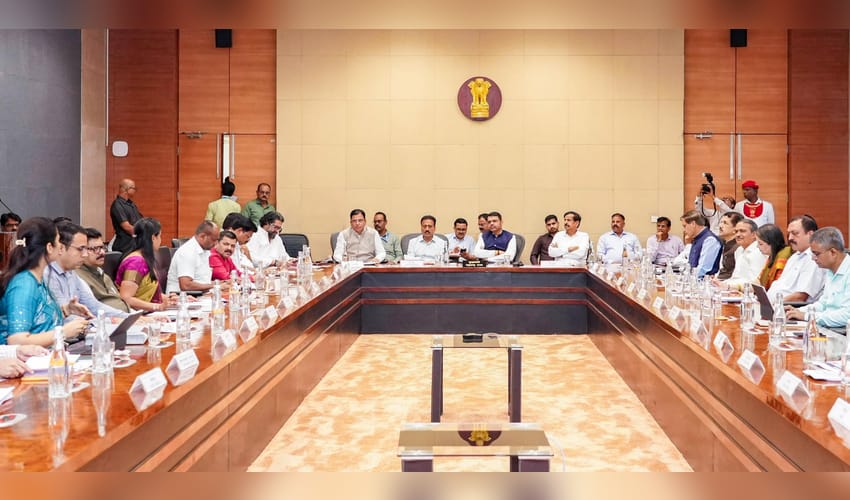

Mumbai, July 29 (AHN) Maharashtra Chief Minister Devendra Fadnavis on Wednesday said the state government was implementing tiger conservation using a scientific approach while preserving natural habitats, and a new five-point plan had been framed to carry this work forward.
He emphasised that the government was fully committed to driving value-based tiger conservation.
The Chief Minister was speaking at a conference organised by the Forest Department at the Indian Institute of Management (IIM) Nagpur on the occasion of International Tiger Day.
CM Fadnavis highlighted that tigers were central to the ecosystem and the food chain, and their conservation directly protected forests and the environment.
He noted that villages in the core areas of the state’s six tiger reserves had been relocated, creating new buffer zones. Thanks to the Forest Department’s new policies, local villagers had voluntarily stepped forward for rehabilitation and relocation.
To mitigate human-wildlife conflict, structured methodologies had been implemented in villages adjacent to tiger reserves, including AI-based early warning systems and camera tracking. These efforts established a thriving ecosystem for tigers, biodiversity, and eco-tourism.
Consequently, the state’s tiger population rose from 190 in 2014 to 444, and expectations were high that the latest census would cross the 600 mark, he said.
According to the CM, India currently harbours 75 per cent of the world’s tiger population, with Maharashtra ranking third nationally. Key conservation measures taken over the last two decades were now positioning Maharashtra toward the top rank.
The new five-point conservation plan will focus on mitigating human-wildlife conflict, green livelihood initiatives, a dedicated CSR policy, sustainable tourism and job creation, and funding forest protection, said the Chief Minister.
He further stated that there would be planned interventions around reserves, implementation of tiger habitat green livelihood campaigns, securing corporate social responsibility funds for conservation, boosting local employment through sustainable tourism policies, and generating dedicated revenue streams for ongoing forest conservation alongside tourism growth.
Forest Minister Ganesh Naik shared that under the leadership of CM Fadnavis, the Forest Department was undergoing a major transformation. The state had set an ambitious target of planting 300 crore trees and had established five tissue culture laboratories across Maharashtra to produce high-quality saplings at scale.
Minister of State for School Education Pankaj Bhoyer expressed confidence that such conferences would boost eco-tourism, create regional employment opportunities, and expand in scale in the coming years.
In the presence of CM Fadnavis, 11 key Memorandums of Understanding (MoUs) were signed to propel future forest conservation and sustainable development.
The conference featured expert presentations on community-based livelihood initiatives and the green economy, CSR investments for tiger conservation, Maharashtra as India’s premier tiger tourism destination, and human-tiger coexistence and ecosystem conservation.
During the event, CM Fadnavis presented the Asiatic Big Cat Society National Awards for outstanding contributions to tiger conservation.