



World
Khalistani-linked networks fuel narco-terrorism across Canada and its borders: Report
Published On Fri, 29 May 2026
Asian Horizan Network
5 Views
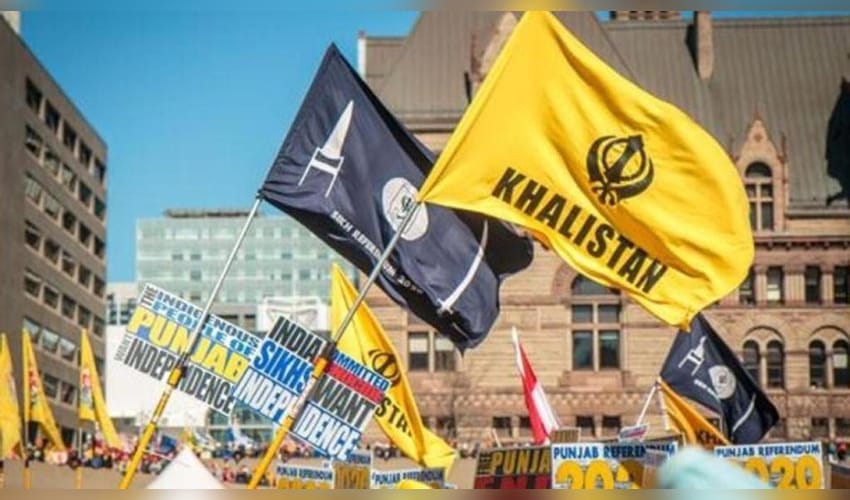

Ottawa, May 29 (AHN) Khalistan extremism has long carried a darker undercurrent and currently persists largely as a fringe phenomenon, with some elements allegedly evolving into narco-terrorism driven by opportunistic actors. These networks leverage diaspora linkages, transport industries, and international smuggling routes to facilitate drug movement through the Canadian border while exporting violence and ideology.
The Khalistan-linked individuals tied to the international criminal network known as “Four Brothers” (or “For Brothers"), which was busted by Canada's Peel Regional Police, involving coordination with the Royal Canadian Mounted Police (RCMP), Ontario Provincial Police (OPP), Surrey Police, the Federal Bureau of Investigation (FBI) and others, highlight how deeply entrenched the network has become, a report in Khalsa Vox has detailed.
Peel Regional Police issued a stark warning this week, with Deputy Chief Nick Milonovich revealing that a Khalistan extortion network is responsible for nearly half of all illegal gunfire in the Peel Region so far this year. It added hundreds of the 620 rounds discharged from illegal firearms are linked to the group.
"In a sweeping operation, authorities charged 17 individuals with over 100 offences—including extortion, firearms violations, arson, conspiracy, and drug-related crimes. Six firearms were seized, along with illicit drugs. None of the accused are Canadian citizens. All are immigrant Khalistanis tied to the international criminal network known as ‘Four Brothers’ (or ‘For Brothers’). The group stands accused of targeting South Asian business owners — restaurants, trucking firms, and families — across Brampton, Mississauga, Caledon, British Columbia, the United States, and with links back to India."
According to the report, this goes beyond random street crime, reflecting “systematic terror” driven by a lucrative drug trade.
Emphasising that drug money forms the lifeblood of this Khalistani network, the report said that investigations, such as Project Pelican launched by Canadian authorities, have uncovered large-scale cocaine imports—hundreds of kilograms worth tens of millions of dollars—smuggled through trucking routes from the United States, often connected to Mexican cartels.
The proceeds from cocaine, methamphetamine, and other narcotics are reportedly channelled into weapons procurement, arson attacks, and violent extortion rackets targeting South Asian entrepreneurs.
“Police seizures in the ‘Four Brothers’ case included both guns and drugs, underscoring the seamless integration between narcotics trafficking and violent intimidation. Each bullet fired, and each business torched sends the same message: pay the 'tax' or face the consequences. The proceeds don’t just line criminals’ pockets—they sustain a broader ecosystem of Khalistani extremism, funding rallies, propaganda, legal defences, and transnational operations aimed at stoking separatism,” the report noted.
Expressing concerns over the disturbing trend and rising violence by Khalistani extremists, it said, “This pattern repeats across Canadian cities with large Punjabi communities. Rival gangs battle for control of cross-border drug routes, turning suburbs into war zones. The violence spills over: innocent community members live in fear, businesses close or relocate, and families pay protection money extracted under threat of death. The drug-extortion machine turns grievances over Khalistan into a profitable criminal enterprise.”



