



Asia In News
Kazakhstan's offer to host Pak-Afghan peace talks underscores irony of Islamabad’s dual role
Published On Mon, 22 Jun 2026
Asian Horizan Network
7 Views
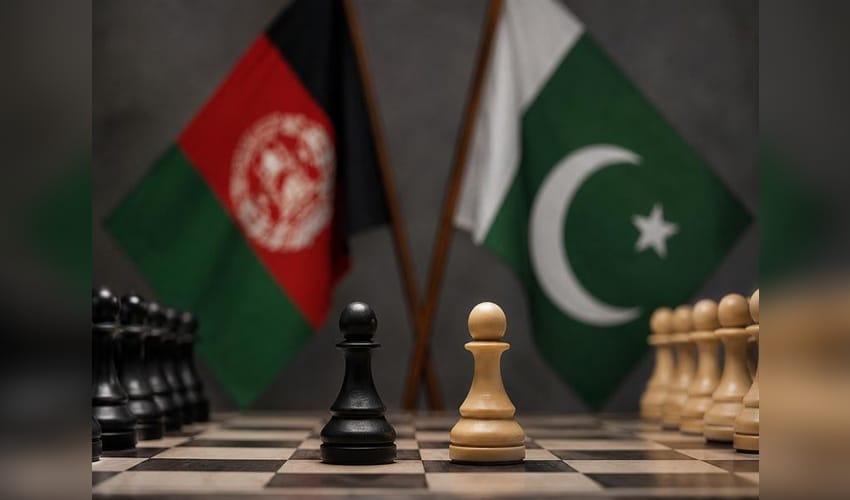

New Delhi, June 22 (AHN) Even as Pakistan positions itself as a mediator between the United States and Iran, its own conflict with Afghanistan remains a matter of concern for regional countries after several attempts at reconciliation have failed.
Now, Astana has offered to play a mediating role between the warring neighbours, if formally requested by both sides, Tolo News reported, quoting Serik Zhumangarin, Kazakhstan's Deputy Prime Minister and Minister of National Economy.
“Kazakhstan’s position has always been consistent: all disputes and conflicts should be resolved through dialogue. President Kassym-Jomart Tokayev has repeatedly urged the governments of Afghanistan and Pakistan to settle their differences through talks. If a formal request is made, Kazakhstan is prepared to provide the necessary platform and conditions for such discussions,” Zhumangarin told the Afghan news channel on Sunday.
At least five countries have been trying to negotiate a ceasefire amid Pakistan’s escalating conflict with Afghanistan, which has created deep uncertainty in the region, even as Islamabad positions itself as a mediator in the conflict in West Asia.
Neighbouring countries fear that the ongoing volatility could escalate further, allowing militant groups to exploit the situation and destabilise the region.
While border clashes along the Durand Line have been reported over time, the fierce skirmishes of October 2025 led to the sealing of trade routes between Afghanistan and Pakistan.
The instability threatens the corridors linking Central Asia to South Asia, with Kabul cut off from Pakistan’s Karachi port and Islamabad’s reliance on energy imports through Iran and Afghanistan making a prolonged conflict even more challenging for its already fragile economy.
Islamabad blames Kabul for hosting militants from the Tehreek-e-Taliban Pakistan (TTP), claiming that the insurgent group conducts raids across the border.
Kabul, meanwhile, has alleged that ISIS members are active in Pakistan’s border provinces and has accused them of attacking Afghan areas.
Throughout this standoff, Afghanistan-Pakistan peace talks have been hosted by countries such as Qatar, Türkiye, Saudi Arabia and the United Arab Emirates.
China has also stepped in, hosting a high-level negotiation in Urumqi in April, followed by an informal round of talks in Istanbul.
Beijing has reportedly proposed a five-point peace initiative, but mistrust between Kabul and Islamabad has prevented progress.
Meanwhile, the United Nations continues to assist through its mission in Afghanistan, although its influence remains limited.
The situation remains volatile, with Afghanistan and Pakistan resorting to aerial attacks on each other in addition to border skirmishes.
Previous rounds of Taliban-Pakistan talks, held in Doha and Istanbul, have also ended without a clear resolution.
Since February this year, Pakistan has conducted Operation Ghazab lil-Haq, targeting alleged militant hideouts inside Afghanistan following cross-border attacks.
This led to airstrikes in Kabul and Afghan retaliatory actions, prompting Pakistan to declare an “open war”.
In the latest offensive, even before the last round of talks in Istanbul could conclude this month, Pakistan launched airstrikes inside Afghan territory.
The Taliban retaliated with heavy firing along the Durand Line.
Each round of talks has been overshadowed by renewed violence, raising doubts about whether dialogue can meaningfully de-escalate the crisis.
The conflict remains unresolved, overshadowed by Pakistan’s simultaneous diplomatic push to mediate between Washington and Tehran.
It has sought to establish itself as a central broker in negotiations between the United States and Iran, even facilitating the “Islamabad Memorandum of Understanding”.
At the same time, Pakistan is waging its most severe conflict in decades against Afghanistan, undermining its credibility as a peace facilitator and raising questions about its legitimacy as a mediator when it has been unable to stabilise its own borders.
While its attempts to mediate between Washington and Tehran may win it international recognition, the credibility gap remains glaring.
Kazakhstan’s involvement now underscores this contradiction.
It highlights both regional concern and the irony of Pakistan’s dual role — fighting one conflict while trying to broker peace in another.



