



Economy
Iran war costs deepen split in US Congress amid scrutiny of $200 billion funding request
Published On Fri, 20 Mar 2026
Asian Horizan Network
1 Views
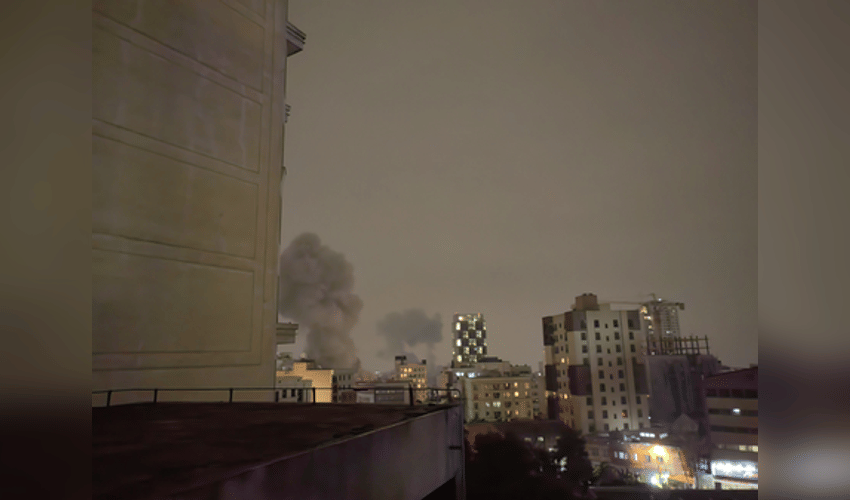

Washington, March 20 (AHN) Rising costs of the Iran war and its impact on global markets are deepening divisions in Congress, with Republicans and Democrats questioning the scale and purpose of a proposed funding request that could exceed $200 billion, according to multiple US media reports.
The White House is preparing to seek massive new funding for the conflict, even as scepticism grows within President Donald Trump’s own party over the lack of a clear strategy and timeline, CNN reported. Lawmakers say the administration has yet to fully explain how the money will be used or how long the US military engagement could last.
Trump signalled the request could be substantial, arguing the military needs resources to maintain strength. “We want to be in the best shape, the best shape we’ve ever been in,” he said, adding, “It’s a small price to pay to make sure that we stay tippy top.”
But that argument is facing pushback. Some Republicans have openly rejected further spending, reflecting growing unease about what several described as a potential “endless war”.
“I am a no. I have already told leadership. I am a no on any war supplemental. I am so tired of spending money over there,” Representative Lauren Boebert said, according to CNN. “I have folks in Colorado who can’t afford to live. We need America First policies right now.”
Others are demanding detailed answers before committing support. “What are we doing? We’re talking about boots on the ground. We’re talking about that kind of extended activity,” said Representative Chip Roy. “They got a whole lot more briefing and a whole lot more explaining to do on how we’re going to pay for it and what’s the mission here?”
Fiscal conservatives have also questioned whether the proposed funding could expand further. “It begs the question, how long do they plan to be there? What are the goals? Is this the first $200 billion? Does this turn into a trillion?” Representative Thomas Massie said, CNN reported.
The debate comes as the conflict intensifies in the Gulf. US and allied forces have stepped up operations around the Strait of Hormuz, deploying attack aircraft and helicopters to target Iranian naval assets and reopen critical shipping lanes, The Wall Street Journal reported.
“The A-10 Warthog is now engaged across the southern flank, targeting fast-attack watercraft in the Strait of Hormuz,” General Dan Caine said, adding that Apache helicopters “have joined the fight on the southern flank,” according to the Journal.
The escalation has already shaken global energy markets. Oil prices surged sharply as attacks on infrastructure across the region raised fears of supply disruptions, The New York Times reported.
Analysts warned the economic fallout could deepen if hostilities continue. “Energy warfare has been utilised from day one,” said Anna Jacobs, according to The Washington Post, noting that disruptions in the Strait of Hormuz have affected a key global supply route.
At the same time, lawmakers in both parties say they have received limited and incomplete cost assessments, adding to concerns over approving such a large sum. Some Republicans have proposed conditions, including spending offsets or audits of Pentagon finances, before backing any funding bill.
Senate leaders have indicated the path forward remains uncertain. “It remains to be seen” whether the request could pass, Senate Majority Leader John Thune said, according to CNN.
Democrats, meanwhile, remain largely opposed to approving funds under current conditions, further complicating the administration’s efforts to secure congressional backing.
The conflict has also triggered broader policy debates within the administration, including whether easing sanctions on Iranian oil could help stabilise global prices, The Washington Post reported. Officials say such steps could bring additional supply to the market, though analysts warn it could also strengthen Iran financially during the war.



