



Politics
India has sufficient stocks of oil, petroleum products amid Iran war
Published On Fri, 06 Mar 2026
Asian Horizan Network
1 Views
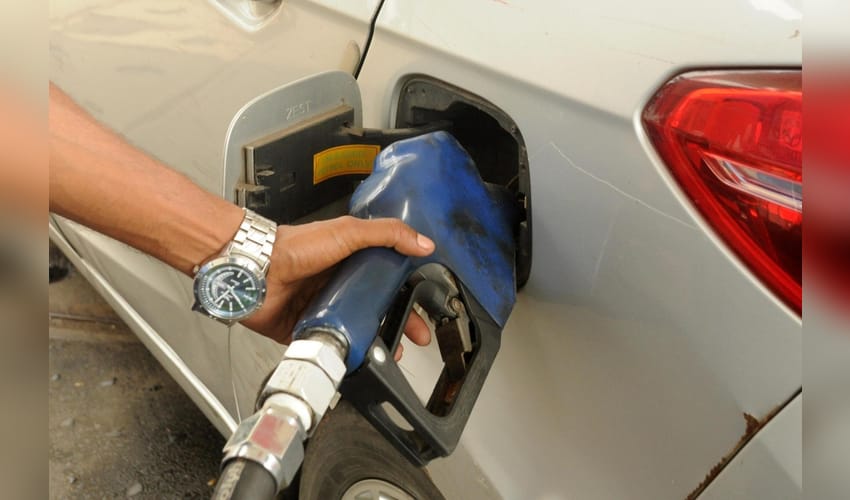

New Delhi, March 6 (AHN) India is currently placed in a comfortable position with sufficient stocks of crude oil, petroleum products such as petrol, diesel, and LPG, and the country’s oil companies are sourcing imports from countries outside the Gulf region to make up for the disruption in supplies due to the Iran war.
"Today, we have more energy sources than what is stuck in the Straits of Hormuz. We are in a comfortable position in crude oil, oil products and LPG. In terms of our current stock, we are in a comfortable position. We are going to ramp up our supplies from other parts of the geographies and make up for our supply crunch from the Straits of Hormuz," a senior official said.
"India has been buying crude oil from Russia since 2022. In 2022, we were importing 0.2 per cent of total imports from Russia. In February, we imported 20 per cent of our total crude oil imports from Russia. In February, India imported 1.04 million barrels per day from Russia," the official added.
The official also said that news of the MRPL refinery shutdown is incorrect. MRPL Refinery is very well stocked, and all the refineries producing LPG have been directed to increase production. Currently, the country is in a comfortable position with adequate LPG stocks.
"We will also use our petchem for domestic use to meet the consumption demand," he added.
The government has directed refiners to maximise the production of liquefied petroleum gas (LPG) and prioritise domestic supply in order to prevent a shortage of the cooking fuel amid supply disruptions caused by the Middle East crisis. According to an order released by the Ministry of Petroleum & Natural Gas (MoPNG), oil refiners in India will be asked to ensure that critical gases such as propane and butane are prioritised for LPG production for households.
The order comes amid escalating tensions in the Middle East, which have raised concerns over potential disruptions to global energy supplies and shipping routes, including through the Strait of Hormuz, a key corridor for oil and liquefied gas trade. The war halted tanker traffic through the Strait of Hormuz and disrupted supplies from Qatar, the world's second-largest seller of LNG.



