



World
Hormuz concerns cloud Trump’s Iran deal
Published On Mon, 22 Jun 2026
Asian Horizan Network
6 Views
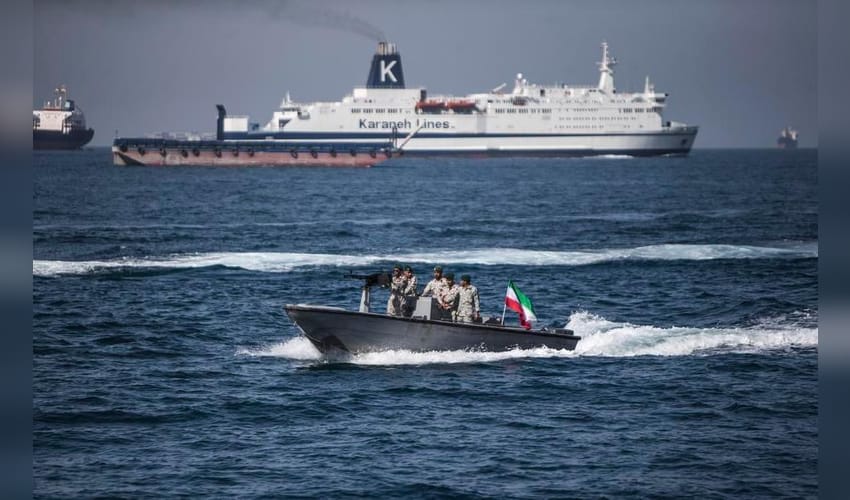

Washington, June 22 (AHN) Concerns over the future of the Strait of Hormuz emerged as one of the most contentious issues surrounding President Donald Trump's new agreement with Iran, with lawmakers, former officials and energy experts warning that Tehran could gain lasting leverage over one of the world's most important maritime chokepoints.
While the memorandum of understanding signed last week ended nearly four months of conflict between Washington and Tehran, critics across the political spectrum questioned whether the agreement had strengthened Iran's position in the narrow waterway through which a substantial portion of the world's oil and liquefied natural gas supplies pass.
Former White House energy adviser Amos Hochstein argued that Iran's influence over the strait could become one of the most significant consequences of the agreement.
"Iran controls the strait," Hochstein said during CBS's Face the Nation. "Control means a lot of different things. But, effectively, they are planning for control with eventually a toll of some kind or a fee structure of some kind."
He said the issue extended beyond navigation rights.
"If I don't like Saudi Arabia or I'm upset with Kuwait, I can say your ships are not crossing," Hochstein said.
Former Defence Secretary Mark Esper voiced similar concerns during NBC's Meet the Press.
"We cannot allow the Iranians to control the Strait of Hormuz," Esper said. "I think a strategic setback would be if that is indeed the case."
Esper warned that Iran may have discovered a powerful new instrument of influence.
"They have discovered that they have a tool that they can use," he said, referring to the ability to threaten global energy flows through the strait.
The Trump administration rejects suggestions that the agreement weakens Washington's position.
US Ambassador to the United Nations Mike Waltz said the negotiations were being conducted from "a position of strength" and stressed that Iran remained economically, militarily and diplomatically weakened.
Waltz also argued that the international community had largely condemned Iran's actions in the waterway.
He cited a United Nations vote in which "143 countries" condemned Iran "for its illegal mining of the straits" and attempts to disrupt global commerce.
Republican Senator Lindsey Graham suggested that Washington would respond forcefully if diplomacy failed.
"If this diplomatic effort fails, President Trump is going to take the Strait of Hormuz," Graham said. "The United States will control the Strait of Hormuz."
Energy analysts say the future status of the strait may ultimately prove as important as the nuclear negotiations themselves.
Kevin Book of ClearView Energy Partners noted that energy markets remain sensitive to developments in the region and warned that restoring inventories and stabilising prices could take time even if tensions ease.



