



Lifestyle
Gujarat students gain self-reliance through vocational education
Published On Fri, 13 Feb 2026
Asian Horizan Network
61 Views
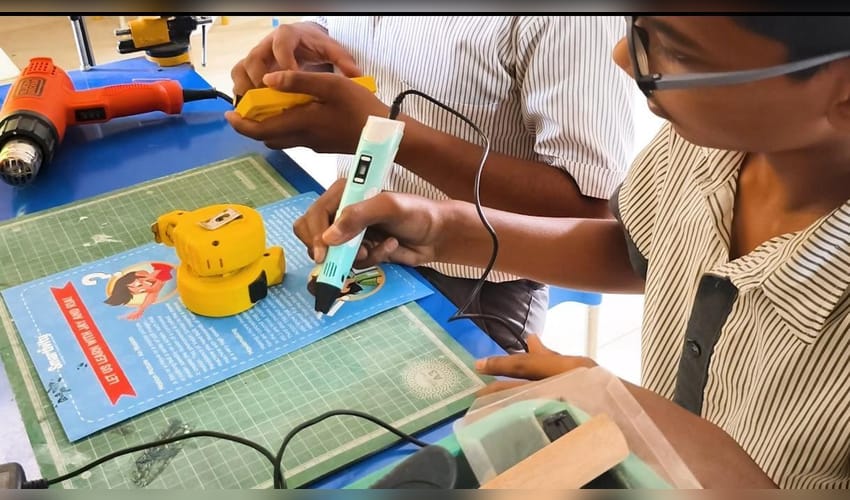

Rajkot, Feb 13 (AHN) Students in Gujarat are being equipped with practical skills alongside academics under a state-wide initiative to promote self-reliance.
Led by Chief Minister Bhupendra Patel, the programme targets students from classes 9 to 12, combining vocational training with traditional studies to prepare them for employment and entrepreneurship.
At Shree Chandrasinhji Higher Secondary School in Rajpara, Kotda Sangani Taluka, Rajkot district, pupils are receiving hands-on training in 11 areas, including automobile, electrical work, and agriculture.
Narendrasinh Jadeja, Trustee of the school, told AHN, “In vocational training, children learn extensively. In different parts of the vocational training, we have focused on agriculture because the region is associated with farming. We have also added electrical.”
A student at the school said, “I learn about agriculture and farming. Production, cheap costs, etc, are the different aspects to learn.”
Vocational courses are aligned with the National Education Policy-2020 and the National Skills Qualification Framework, enabling students to choose subjects according to their interests, such as four-wheeler service technician, agriculture, crop cultivation, and floriculture.
The courses provide around 70 per cent practical training alongside theoretical lessons.
Students gain hands-on experience not only in school labs but also in the use of tools and equipment, combining academic study with practical skill development.
The Gujarat government has expanded vocational education across the state.
According to official data, there are now 558 Industrial Training Institutes (ITIs), offering opportunities to more than 6.5 lakh young people under the Mukhyamantri Skill Development Initiative.
These include specialised ITIs for women and persons with disabilities and offer short-term training in emerging sectors such as automation and manufacturing.
Officials said combining academic study with hands-on skills reduces dependency on traditional job markets and allows youth to become employable or self-employed immediately after completing their education.
The initiative is also helping to reduce school dropout rates in rural areas while making students skilled and self-dependent.
Grant-in-aid schools have received infrastructure support to establish vocational training labs and classrooms, ensuring students across Gujarat have access to modern learning facilities.
By integrating skill development with education, Gujarat’s vocational programme aims to prepare students not only for employment but also for entrepreneurial opportunities, creating a generation of young citizens capable of contributing to the state’s economic growth.



