



Asia In News
AI summit marks transformational moment in India’s tech journey: Nikhil Pahwa
Published On Wed, 18 Feb 2026
Asian Horizan Network
47 Views
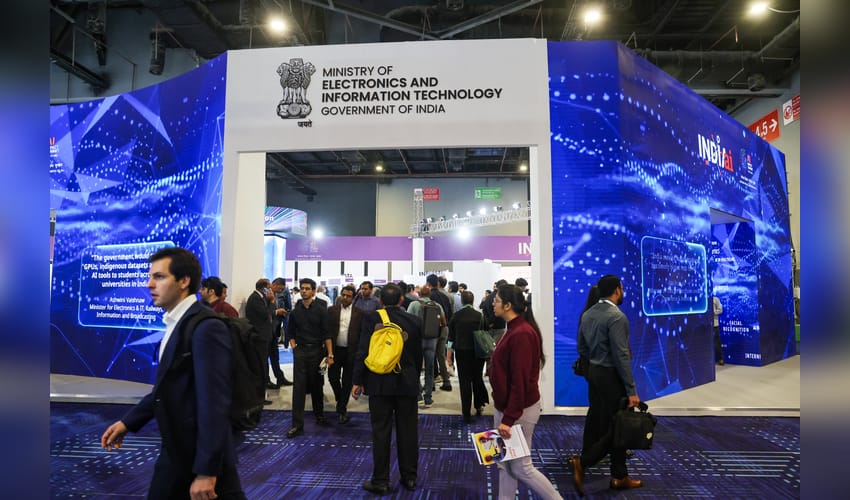

New Delhi, Feb 18 (AHN) Digital rights activist and tech policy commentator Nikhil Pahwa on Wednesday described the ongoing India AI Summit as a "transformational moment", saying the event could significantly accelerate artificial intelligence adoption across governance, industry and academia in the country.
In a series of posts on X, the founder of MediaNama said that even if such large summits face organisational or agenda-related shortcomings, the scale of government attention ensures AI becomes a priority across ministries and states.
"A summit like this ends up making AI a priority focus for ministries and state governments," he wrote, adding that it encourages the diffusion of AI-driven thinking across industries, students and policymakers, ultimately speeding up adoption in governance.
Pahwa drew parallels with the impact of the Digital India initiative, noting that strong policy focus previously accelerated digitisation and the uptake of digital technologies nationwide. He argued that the summit’s long-term impact on adoption may matter more than immediate outcomes or global positioning.
Thanking the Indian government and Prime Minister Narendra Modi for hosting the event at "India scale", Pahwa said participation of nearly 2.5 lakh attendees, especially students, signals the beginning of a broader mindset shift.
"This is a transformational moment. 250,000 people attending, especially students, is the beginning of a mindset change," he noted.
While acknowledging that India currently lags behind the United States and China in core AI capabilities, he stressed that success in the AI race depends on multiple factors, including hardware access, training data, model architecture and real-world usage diffusion.
He also observed that global AI platforms are rapidly expanding their presence, citing tools such as ChatGPT, Gemini, and Copilot becoming integrated across major technology ecosystems, thereby building strong user habits. According to him, the adoption of international models in India currently far exceeds that of domestic alternatives.
However, Pahwa highlighted sector-specific deployment, including education, healthcare, defence, governance, commerce, manufacturing and pharmaceutical research as an area where India still has a significant opportunity to lead.
He advocated the adoption of open-source technologies and the development of indigenous small language models tailored to local needs.
Calling the present phase comparable to the early days of Digital India, Pahwa expressed optimism about India’s AI future, saying the convergence of policy attention, public participation and technological progress could reshape the country’s digital landscape in the years ahead.



