



Asia In News
Zakir Naik's Potential Bangladesh Visit: Dhaka Weighs India's Security Concerns
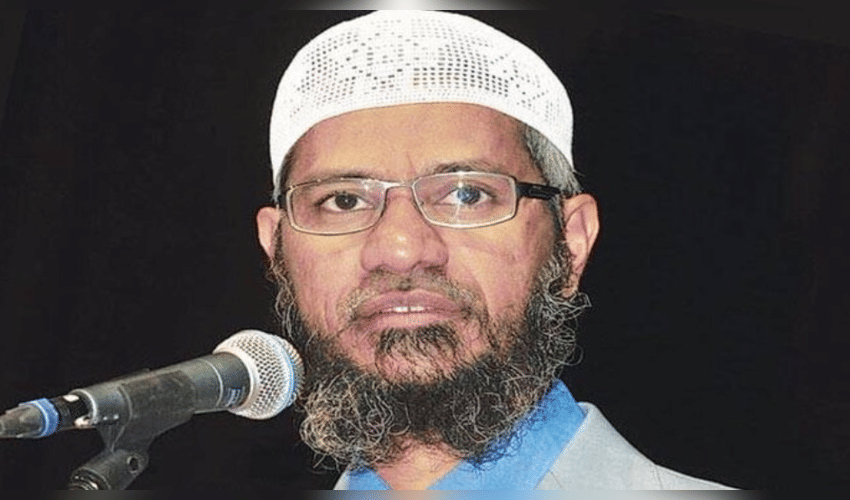

The Government of Bangladesh has officially acknowledged and taken note of the concerns expressed by India's Ministry of External Affairs regarding the possible visit of controversial Islamic preacher Dr. Zakir Naik to Dhaka. Bangladesh’s Foreign Ministry spokesperson SM Mahbubul Alam stated that while the country is aware of India’s views, the matter of allowing such visits falls under the jurisdiction of Bangladesh’s Foreign and Home Ministries. Alam also highlighted a shared principle that no nation, including India, should shelter individuals wanted by other countries. This diplomatic posture comes amid a planned month-long tour of Zakir Naik in Bangladesh, which has stirred tensions given his fugitive status in India.
Zakir Naik, an Islamic scholar known for his polarizing speeches and accusations of promoting radicalism, is wanted in India on charges of hate speech and money laundering. Since fleeing India after the 2016 Dhaka terror attack—where one of the attackers credited Naik’s speeches as inspiration—he has remained controversial in the region. His Peace TV channel was banned in Bangladesh during the previous government led by Sheikh Hasina, but the new interim government under Nobel Laureate Muhammad Yunus appears to have approved Naik's upcoming visit, scheduled from late November to December 20, 2025.
Despite event organizers claiming official permissions, Bangladeshi officials have not issued formal confirmation about the visit. AFM Khalid Hossain, an adviser on religious affairs, pointed out that the decision lies with the relevant ministries. Meanwhile, Foreign Affairs Adviser Md. Touhid Hossain expressed that he is not aware of any confirmed visit by contentious figures like Naik. The balancing act reflects Bangladesh’s delicate diplomatic relationship with India, as Dhaka weighs its domestic religious sentiments against regional security concerns and India’s extradition requests.
Naik’s impending visit follows a similar reception he received in Pakistan last year, where he was welcomed with high-profile meetings despite his controversial standing. His tours raise concerns about increasing radicalization in the region and complicate Bangladesh-India ties further. Analysts observe that Bangladesh’s latest move to host Naik signals a shift from the previous government's stricter stance, underlining emerging political and social realignments in Dhaka.
This situation resonates with wider geopolitical implications, where Bangladesh, India, and Pakistan all play roles in how religious figures influence social and political dynamics. India’s call for Naik’s extradition contrasts with Bangladesh’s permission for his visit, highlighting contrasting policy approaches to the same figure. Observers suggest that how Bangladesh handles this issue will be a litmus test of its broader strategies towards internal security, regional diplomacy, and managing foreign policy pressures. Dhaka’s review of India's concerns over Zakir Naik's potential visit captures a complex intersection of law, diplomacy, and domestic politics, with significant ramifications for South Asian stability and bilateral relations.



