



Politics
White House Downplays Reports of US-Iran Talks in Pakistan, Calls Speculation 'Premature'
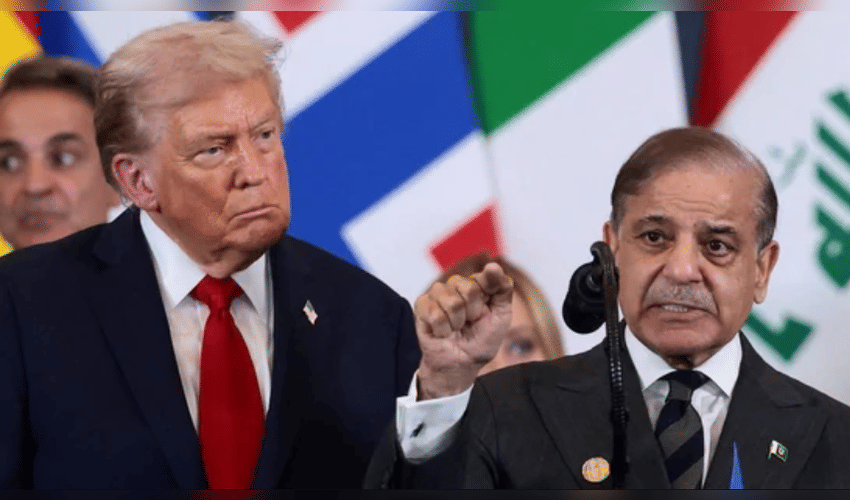

The White House has rejected media reports suggesting that high‑level US–Iran talks are set to take place in Pakistan, describing the claims as premature speculation that should not be treated as confirmed policy. Speaking to reporters on Monday, White House Press Secretary Karoline Leavitt said that while the situation remains “sensitive” and “fluid,” the United States would not conduct its diplomacy through leaks or headlines.
Leavitt declined to confirm any plans for a meeting between senior American officials—including Vice President JD Vance, special envoy Steve Witkoff and former adviser Jared Kushner—and Iranian representatives in Islamabad. Instead, she emphasized that Washington would not negotiate through the press and warned against turning speculation about possible talks into perceived facts. The administration’s tone suggests it wants to keep options open while avoiding the risk of over‑inflated expectations if a meeting does not materialize.
Recent reports have pointed to Pakistan as a potential venue for US–Iran contacts, with some regional and international outlets citing sources who claim that Islamabad could host direct or indirect talks within days. Pakistani Prime Minister Shehbaz Sharif has publicly spoken of efforts to help “bring peace to the region,” reinforcing the impression that Pakistan is positioning itself as a neutral diplomatic space. However, senior Iranian figures have pushed back, dismissing some of the Pakistan‑talk narratives as “fake news” or significantly exaggerated, underscoring Tehran’s own sensitivity to appearing engaged in open backdoor talks.
Analysts say the White House's cautious language reflects a broader strategy: to explore de‑escalation channels quietly while resisting pressure to advertise tentative moves as formal negotiations. In a tense environment marked by weeks of exchanges and military posturing, both Washington and Tehran remain wary of being seen as the first to blink, even as back‑channel signals are tested. The insistence that speculation should not be deemed final also signals that any potential engagement in or through Pakistan would need to be carefully managed to avoid public misreading and political fallout.
The White House’s response to reports of a US–Iran meeting in Pakistan serves as a reminder that, in fast‑moving crises, leaks and rumours often run ahead of confirmed decisions. Until the administration issues a clear statement or a formal announcement emerges from either side, the possibility of talks in Islamabad will remain in the realm of diplomatic speculation rather than established fact.



