



World
US Senator Ted Cruz Claims: Trump, Vance Blocked Crucial India Trade Deal
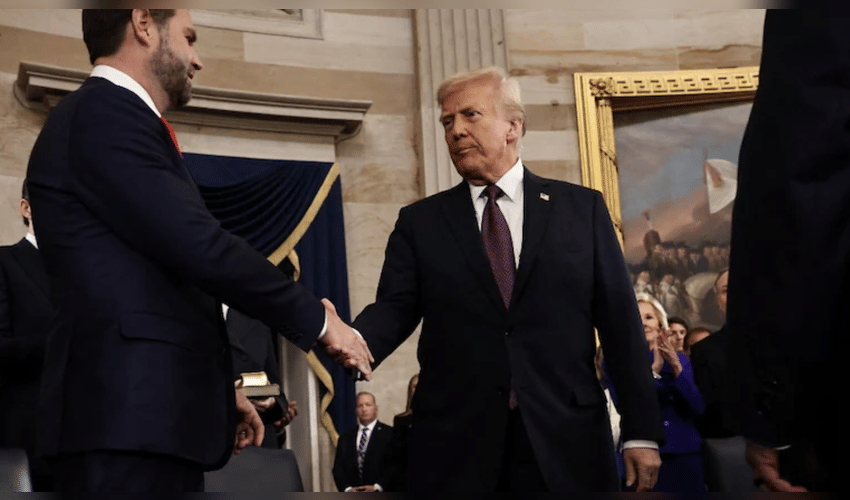

A leaked audio recording of Republican Senator Ted Cruz has ignited a firestorm, with the Texas lawmaker accusing President Donald Trump, Vice President JD Vance, and trade hawk Peter Navarro of deliberately stalling a key trade agreement with India. Cruz revealed he had been locked in a fierce battle with the White House to push through the deal. "Vance, Navarro, even Trump sometimes stalled the trade deal with India," he stated bluntly, highlighting deep internal rifts over economic policy.
The audio, which surfaced amid escalating US tariff wars, paints a picture of heated clashes inside Trump's administration. Cruz described Trump as "furious" during their discussions, underscoring resistance from protectionist voices favoring aggressive tariffs over free-trade pacts. This comes as the US slapped a 50% tariff on Indian imports since August 2025—a base 25% plus penalties linked to India's purchases of Russian oil—severely impacting textiles, seafood, gems, jewelry, and auto parts exporters.
Negotiations gained momentum after Prime Minister Narendra Modi's February 2025 visit to Washington, targeting a jump in bilateral trade from $191 billion to $500 billion by 2030. Yet progress has stalled publicly despite strong strategic ties aimed at countering China. Cruz, eyeing a potential 2028 presidential run and championing free trade, warned donors of dire consequences: unchecked tariffs could slash 401(k)s by 30% and hike grocery prices 10-20%, spelling disaster for Republicans in the 2026 midterms. Treasury Secretary Scott Bessent recently offered a sliver of optimism, suggesting the extra 25% tariff might lift given India's reduced Russian oil imports.
The allegations spotlight a divide in Trump's "America First" circle—protectionists like Vance, shaped by influencers such as Tucker Carlson, versus GOP traditionalists like Cruz. For India, it signals prolonged export challenges but negotiating leverage, akin to the EU's tariff exemptions via its own deal with New Delhi.
A breakthrough could revitalize tech, defense, and energy ties, easing supply chain strains reminiscent of Trump's earlier China tariffs that cost US consumers billions. As midterm pressures mount, eyes are on whether this could fast-track a pact with Modi, bolstering Indo-US alignment against Beijing. Developments from DC and Delhi are worth watching closely.



