



World
US Navy Turns Back Ship in Strait of Hormuz as Iran Blockade Tension Escalates
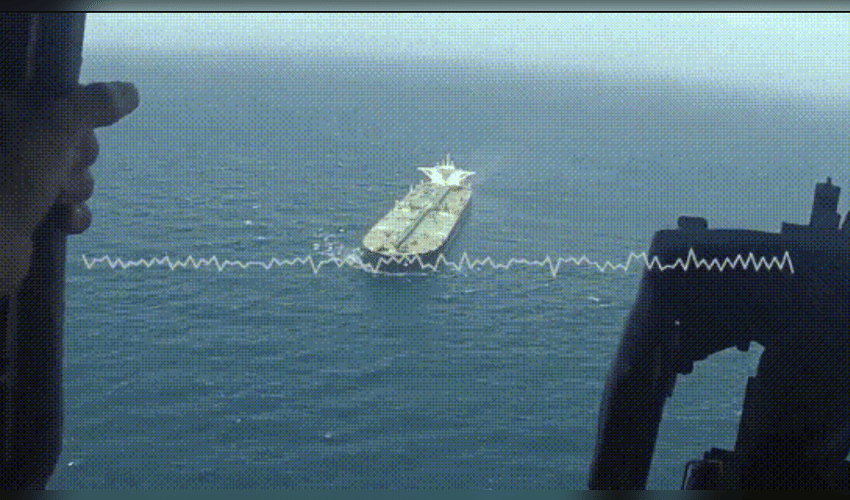

The US Central Command has released dramatic footage showing a Navy vessel redirecting a merchant ship away from Iranian waters, as the ongoing blockade of Iran's key ports enters a tense stalemate with no end in sight. In the video, a sailor aboard the USS Michael Murphy calmly communicates with the crew of the Motor Vessel Molly via radio, instructing them to alter course and avoid Iranian ports. The exchange ends professionally with a "thank you for your cooperation," highlighting the US military's disciplined approach to enforcing President Trump's blockade proclamation without sparking immediate escalation.
CENTCOM reports that over 10,000 US troops, backed by more than a dozen warships—including the USS Abraham Lincoln carrier strike group—and around 100 aircraft, are maintaining the operation. Launched after failed nuclear talks in Islamabad, the blockade specifically targets Iranian ports, allowing most global shipping through the Strait of Hormuz to continue uninterrupted. So far, it's working: At least six to ten merchant ships have been turned back in the initial days, with zero breaches. This footage from the past 24 hours underscores the blockade's effectiveness, even as Iran issues fiery ultimatums and threatens US assets.
The move stems from Tehran's refusal to budge on nuclear curbs and regional proxy activities. Backchannel talks via Pakistan persist, but Iran's top commanders, including ultimatums aimed at President Trump, signal they're digging in too. Echoing 2019 tanker crises, this phase feels more entrenched, with both sides avoiding direct clashes while flexing muscle.
Carrying 20% of global oil daily, the Strait remains a powder keg. Compliant shipping has kept prices from surging past $100 a barrel yet, sparing importers like India and Europe immediate pain. But analysts caution one wrong move—say, an Iranian retaliation—could trigger chaos, inflating energy costs worldwide and testing alliances. CENTCOM's release doubles as a deterrent: US forces are committed, force-ready, and watching every vessel closely. As diplomacy stalls, the world watches this chokepoint warily.



