



World
US-Iran Nuclear Deal Stalls: 20-Year Ban Demand Clashes with Tehran's 5-Year Offer
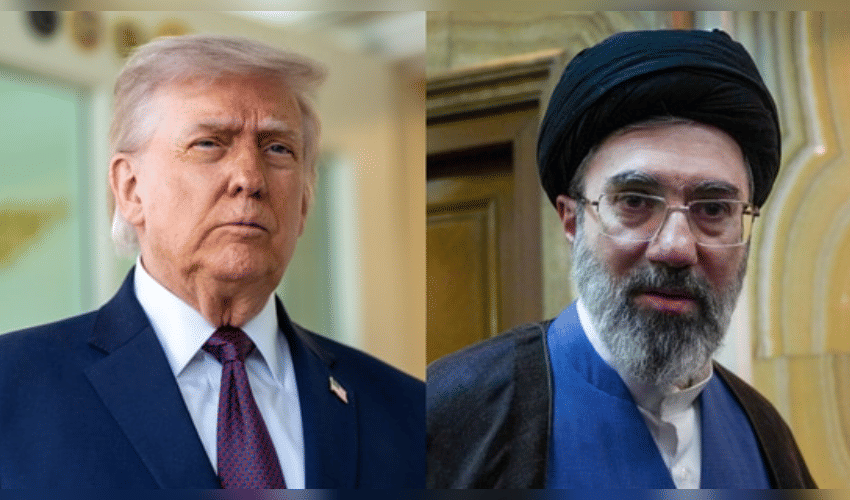

Fresh reports reveal a stark divide in US-Iran nuclear negotiations, where the United States is demanding a 20-year halt to Iran's atomic program, while Tehran insists on a mere five-year suspension. This impasse has derailed marathon talks hosted in Pakistan, led by US Vice President JD Vance, raising fears of escalation amid an ongoing Strait of Hormuz blockade.
The dispute centers on the duration of any nuclear freeze, with Washington viewing 20 years as essential for building trust and preventing weaponization risks. Iran, however, argues that a shorter five-year window preserves its sovereign rights under international treaties, allowing it to resume civilian activities sooner while securing sanctions relief. Sources close to the talks describe 21 hours of intense discussions that ended without agreement, echoing past failures like the unraveling of the 2015 JCPOA deal.
The breakdown has immediate consequences. President Trump, who has set aggressive deadlines, dismissed Iran's stance as inflexible during a recent Oval Office briefing, warning of further US naval actions in the Gulf. Oil prices have surged due to the Hormuz tensions, reminiscent of 2019 incidents but amplified by current proxy conflicts involving Hezbollah and Yemen's Houthis. Analysts note additional hurdles, including demands for Iran to dismantle enrichment sites like Natanz and hand over uranium stockpiles—issues unresolved from earlier rounds in Rome and Geneva.
While both sides express cautious optimism, experts warn that without compromise—perhaps a phased 10-year plan with IAEA monitoring—the region edges toward broader conflict. Iranian state media labeled US terms "excessive," but backchannel efforts via Oman may yet salvage a framework. This development underscores persistent trust deficits, with global markets and Middle East stability hanging in the balance. Updates expected as Tehran responds.



