



Asia In News
US-Iran High-Stakes Talks Kick Off in Pakistan Amid Ceasefire Tensions
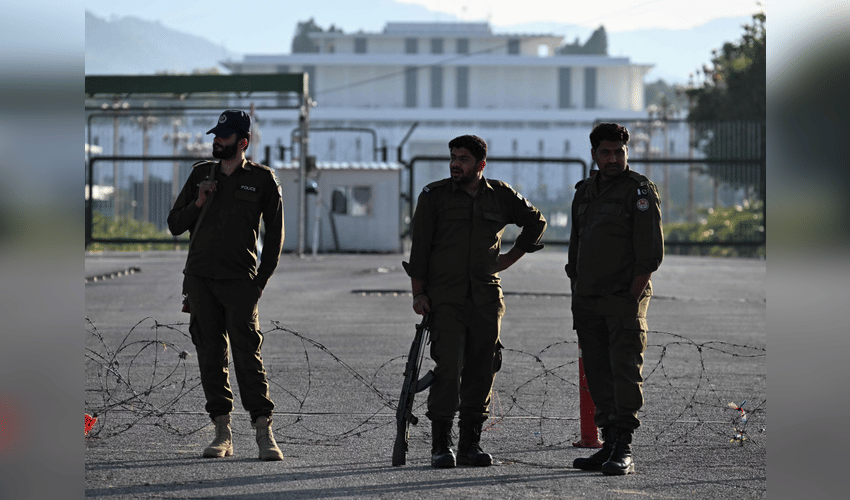

Critical negotiations between top US and Iranian officials began today in Pakistan's capital, with the potential to either halt a month-long regional war or spark a dangerous escalation. Hosted by Islamabad as a neutral mediator, the summit draws global attention as a fragile two-week ceasefire shows signs of cracking under mutual accusations.
Pakistan's Prime Minister Shehbaz Sharif described the talks as a pivotal "make or break" moment, leveraging his nation's diplomatic ties with both superpowers. The venue choice echoes past successes like Oman's role in early US-Iran backchannels, offering a rare trusted space amid distrust.
Pakistan shuttled a detailed US ceasefire proposal to Tehran, including 15 points on de-escalation and sanctions relief, though Iran labeled it preliminary. Key players include US Vice President JD Vance for America and Iranian envoys, focusing on nuclear curbs, proxy militias, and Strait of Hormuz security.
Talks grapple with five major issues: Iran's nuclear program, support for groups like Hezbollah, Hormuz shipping lanes, US economic penalties, and Lebanon-linked clashes. Iran has rejected formal participation until Israeli strikes cease, calling them ceasefire breaches, while the US insists on genuine engagement. President Trump's administration touts military gains but bolsters regional troops, underscoring high risks if diplomacy falters. A modest Pakistani goal: secure a commitment to ongoing dialogue to avert collapse.
Success could solidify peace, unlock Iranian trade, and drop oil prices 10-15%, stabilizing markets from South Asia to Europe. Failure, however, might reignite conflict, pulling in allies like Saudi Arabia and hiking energy costs worldwide. As sessions unfold, the world holds its breath—updates expected soon from Islamabad.



