



World
US-Iran Conflict Escalates: Iran Claims Missile Strike on Jordan Base Hosting American Fighter Jets.

The Middle East is on edge again. On Thursday, Iran's Revolutionary Guard Corps declared it launched 12 ballistic missiles at a U.S. air base in Jordan, claiming to have destroyed American F-35, F-15, and F-16 fighter jets stationed there. The attack, which targeted Al-Azraq Air Base, represents what Iranian officials call a direct response to U.S. military strikes on Iranian territory. But as is often the case in wartime, the two sides aren't telling the same story about what actually happened.
Iran's Islamic Revolutionary Guard Corps (IRGC) Aerospace Force made the claims in a detailed statement released Thursday. According to the IRGC, their ballistic missiles hit Al-Azraq Air Base and its control center, specifically targeting locations housing American fighter aircraft. The statement went further, claiming the strike destroyed facilities at the base along with "a large number" of American fighter jets. The IRGC public relations office said they were firing in retaliation for American missile strikes on both civilian and military sites in Iran. This is the kind of inflammatory claim that typically gets amplified across social media when tensions are already high, but it's worth noting that Iran has made similar claims in past conflicts that later proved exaggerated.
What makes this development particularly alarming is the type of aircraft Iran claims to have targeted. The F-35 Lightning II is America's most advanced stealth fighter, a multi-billion-dollar platform that represents the pinnacle of U.S. military aviation technology. The F-15 Eagle and F-16 Fighting Falcon are both legendary aircraft that have served as backbone fighters for decades. If Iran actually destroyed even a few of these jets, it would represent a massive blow to U.S. air power in the region. The F-35 alone costs around $80 million per unit, and losing multiple aircraft would be both a financial disaster and a strategic setback. But here's the problem: we have no independent confirmation of these claims yet.
The situation becomes even more complicated when you look at what Jordan itself is saying. According to military reports, Jordan's defensive systems intercepted five of the incoming missiles before they reached the base, with no casualties reported. This directly contradicts Iran's claim of a devastating strike. It's not unusual for countries involved in conflicts to present different versions of the same event—Iran wants to show it hit a major blow, while Jordan wants to demonstrate its defenses are working. The reality could be somewhere in between: perhaps some missiles were intercepted, but others caused damage that neither side is fully disclosing.
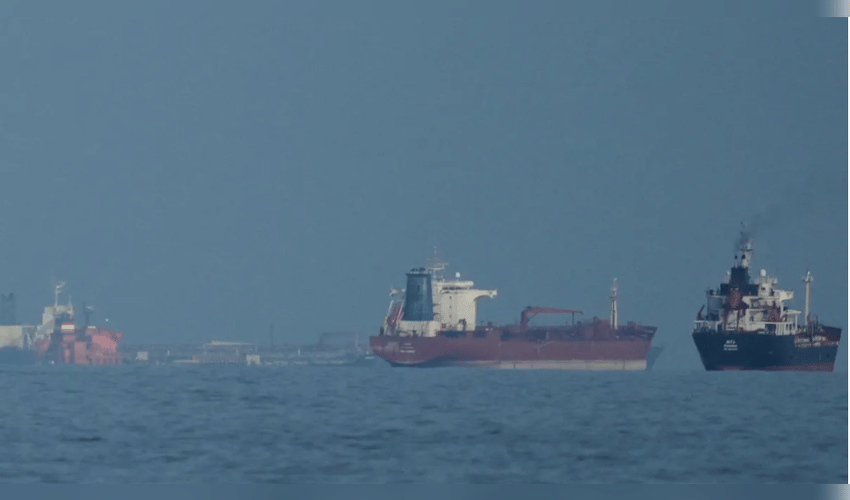
This missile exchange follows a day of earlier U.S. military action. American forces launched surprise strikes on Iranian military targets near the Strait of Hormuz, one of the world's most critical oil shipping routes. The U.S. Central Command stated these strikes were self-defense measures, citing delays in peace negotiations. The timing is significant because the Strait of Hormuz handles about 20% of global oil consumption, and any disruption there sends shockwaves through international markets. In fact, crude oil prices have already started surging in response to the escalating conflict, with traders watching nervously for any signs of actual shipping disruptions.
The broader context here is even more concerning. Tensions between the United States and Iran have been building for months as diplomatic efforts over Tehran's nuclear program stalled. President Donald Trump has ordered a major military buildup in the Middle East, while Israel under Prime Minister Benjamin Netanyahu is reportedly preparing contingency plans for possible joint action. This isn't just about one missile strike—it's about whether the region could tip into open conflict involving multiple countries. The downing of a U.S. Apache helicopter earlier in the conflict cycle has already added to the sense that this situation is spiraling rather than stabilizing.