



Economy
US Grants India 30-Day Waiver for Russian Oil Imports Amid Iran Conflict Escalation
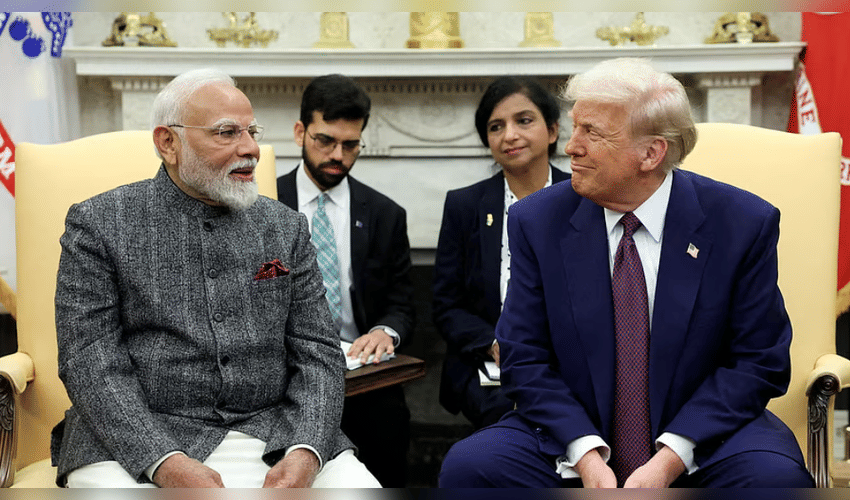

In a critical move to avert energy supply disruptions, the United States has issued a temporary 30-day waiver allowing Indian refiners to continue purchasing Russian crude oil, even as sanctions loom large. The decision comes amid intensifying conflict in the Middle East involving Iran, which has severely hampered oil shipments through key Gulf routes.
The waiver, announced late Thursday by U.S. Treasury officials, addresses immediate concerns over Russian oil cargoes already en route to India that were at risk of being stranded at sea. With Iran's reported actions disrupting the Strait of Hormuz—a vital chokepoint for global oil trade—supplies from the Gulf have plummeted, triggering fears of shortages and price spikes worldwide. India, the third-largest oil importer globally, relies heavily on steady crude inflows to fuel its massive refining sector.
U.S. Treasury Secretary Scott Bessent described the measure as a "pragmatic interim step" to support a key ally while maintaining pressure on Russia. "This limited waiver covers only oil in transit and ensures energy stability without significantly benefiting adversarial revenue streams," Bessent stated on social media. He urged India to accelerate purchases of American oil and LNG post-waiver, building on recent trade agreements that lifted prior tariffs.
The U.S. had imposed steep penalties earlier on buyers of Russian oil to curb funding for Moscow's activities, but escalating Gulf tensions shifted priorities. Just weeks ago, a 25% tariff on Indian purchases was rolled back following bilateral talks. Now, with Iranian blockades slashing Gulf output by millions of barrels daily, refiners worldwide are turning to alternatives like Russia, which offers competitively priced crude. Indian officials welcomed the relief, noting it prevents processing halts at major facilities. "This buys us vital time to recalibrate supply chains amid unprecedented volatility," a senior oil ministry source told reporters anonymously. Domestic fuel prices have already climbed 10-15% in recent days, stoking inflation concerns for consumers and industry.
Markets reacted positively Friday, with benchmark crude futures dipping slightly on eased supply fears. Analysts caution the waiver is no long-term fix. "It's a bandage on a deeper wound—India must diversify faster toward U.S. and other non-Russian sources," said Dana Hari of Anda Insights. As the 30-day clock starts ticking, eyes are on diplomatic efforts to de-escalate Iran tensions and potential follow-up deals between Washington and New Delhi. For now, the move underscores the delicate balance between geopolitics and energy security in an increasingly volatile world.



