



Asia In News
US Armada Heads to Iran: Trump Warns of "Big Force" as Tensions Boil
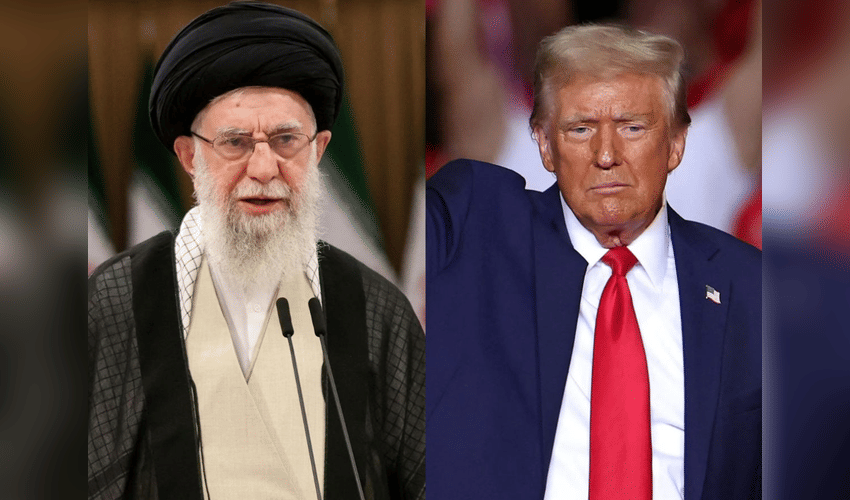

President Donald Trump announced Thursday that a significant US naval force is heading toward Iran, with the United States keeping a close eye on developments in the region. Speaking from Air Force One following the World Economic Forum in Davos, Trump described the deployment as a "big force" or "armada," emphasizing that America seeks peace but stands ready to respond if needed.
The move comes against a backdrop of simmering conflict, triggered by Iran's harsh suppression of nationwide protests that began late last year over economic hardship and governance issues. Officials in Tehran reported more than 3,000 deaths during the security operations, while rights groups suggest the real figure could be substantially higher. Trump highlighted his administration's warnings as key to preventing hundreds of executions among demonstrators, framing the naval positioning as a deterrent . Leading the effort is the USS Abraham Lincoln carrier strike group, redirected from the South China Sea and bolstered by destroyers and fighter jets en route to the Middle East.
Iran's leadership fired back swiftly. Islamic Revolutionary Guard Corps (IRGC) commander General Mohammad Pakpour stated that Iranian troops have their "finger on the trigger," poised to counter any perceived threats from the US or Israel. This rhetoric recalls earlier flashpoints, including 2025 Israeli strikes on Iranian nuclear facilities backed by Washington, which Trump cited as a model for handling provocations.
Investors are watching nervously, as disruptions in the Strait of Hormuz—through which 20% of global oil flows—could spike energy prices, much like the 2019 tanker incidents. Gold and defense stocks may see volatility, underscoring the fragile balance in global trade routes. Despite the saber-rattling, Trump left room for dialogue, signaling willingness for talks while the fleet serves primarily as a show of strength to encourage de-escalation. Regional analysts note such deployments have historically pressured adversaries into negotiations without direct clashes.



