



World
US Airman Survives 48 Hours Alone at 7,000 Feet in Iran with Just a Handgun
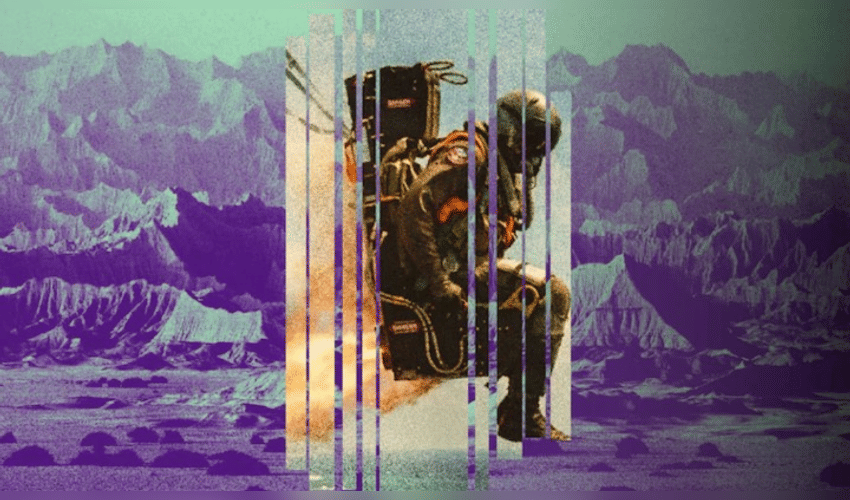

A US Air Force weapons systems officer endured nearly two days behind enemy lines in Iran's rugged mountains after his F-15E Strike Eagle was shot down on April 3. Armed only with a handgun and a personal locator beacon, the airman climbed to 7,000 feet to evade capture, marking one of the most daring rescues amid the ongoing US-Iran conflict.
The incident unfolded during intense airstrikes in southwestern Iran, part of escalating clashes that began late February under President Trump's administration. The pilot, a colonel, ejected safely and was quickly recovered, but the backseater parachuted into hostile terrain, injured yet determined. Drawing on elite SERE training, he took cover in mountain crevices, dodged Iranian patrols, and moved relentlessly to avoid detection. Reports indicate local Iranian militias joined the hunt, complicating the search, but the airman's quick thinking—hiding in rocky outcrops and using the harsh landscape—kept him one step ahead for over 24 hours.
Facing thinning air and closing threats, the airman scaled a steep 7,000-foot ridgeline, betting the height would boost his beacon's range for US forces. This grueling ascent, detailed in declassified accounts, mirrored tactics from past conflicts like Vietnam, where elevation often meant the difference between rescue and capture. CIA assets fed false intel to mislead pursuers, buying precious time. By Saturday night, Special Forces—possibly SEAL Team 6—executed a flawless extraction with no US losses. President Trump called it "a mission for the history books," praising the airman's grit and the team's precision.
This rescue highlights the challenges of operating over Iran's fortified terrain, echoing US struggles in Afghanistan's peaks. Both crew members are recovering stateside, with the pilot's injuries described as minor. As the war enters its second month, such stories spotlight advancements in pilot tech, like next-gen beacons, amid debates on escalation risks. The Pentagon has not released the airman's name, citing operational security, but footage and eyewitness tips suggest more details may surface soon.