



Politics
UN Security Council Condemns Militant Attacks in Pakistan, Exposing Persistent Security and Governance Failures
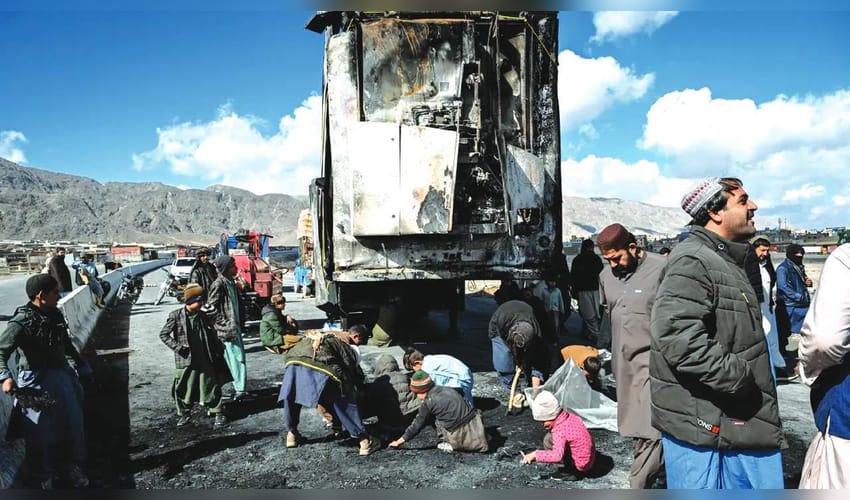

The United Nations Security Council (UNSC) has strongly condemned a wave of deadly militant attacks in Pakistan, underscoring the country’s deepening internal security crisis and raising renewed questions about its ability to curb extremism despite decades of counterterrorism operations.
In a statement issued by the Council, members expressed condemnation of the violence that claimed dozens of lives, including civilians and security personnel, and reiterated that terrorism in all its forms remains a serious threat to international peace and security. The UNSC called for those responsible to be held accountable through lawful means.
While Pakistan welcomed the condemnation, analysts say the episode highlights a chronic contradiction in Islamabad’s security narrative one in which militant violence continues to erupt even as the state claims major counterterrorism successes.
Recurring Violence, Familiar Assurances
The latest attacks once again expose the persistence of militant networks operating across Pakistan, particularly in regions that have seen repeated military operations over the years. Critics argue that Pakistan’s security approach has relied heavily on force while failing to dismantle extremist infrastructure or address ideological radicalisation. Despite sustained campaigns, intelligence lapses and governance gaps continue to allow militants to regroup and strike with deadly effect, undermining official claims of control.
Selective Counterterrorism Under Scrutiny
Security experts note that Pakistan’s counterterrorism policy has long been accused of selective enforcement, targeting some groups while tolerating or ignoring others deemed strategically useful. This approach, critics argue, has contributed to a cycle in which militancy mutates rather than disappears. The UNSC’s condemnation, while diplomatic in language, serves as a reminder that Pakistan remains under international scrutiny over its handling of extremist violence scrutiny that has previously translated into financial monitoring, diplomatic pressure and reputational damage.
Civilians Pay the Price
Local reports indicate that civilians once again bore the brunt of the attacks, highlighting the human cost of Pakistan’s unresolved security failures. Rights groups have warned that repeated violence, followed by sweeping security operations, often leads to civilian displacement, communication blackouts and restricted media access. Such responses, critics argue, deepen alienation rather than build trust between the state and affected communities.
Global Concern, Domestic Accountability Lacking
While the UNSC called for accountability, opposition figures and civil society voices within Pakistan argue that genuine accountability remains elusive. Militant violence is routinely condemned, but few structural reforms follow, allowing the same patterns to repeat.
As the UN reiterates its stance against terrorism, the latest condemnation reinforces an uncomfortable reality for Pakistan: international sympathy does not substitute for sustained, credible action against militancy at home. Without meaningful policy shifts, critics warn, Pakistan risks remaining trapped in a cycle of violence, condemnation and denial with devastating consequences for its own citizens.
This image is taken from The Pioneer.



