



News
UK and France express readiness to help ensure safe passage in a major move on Hormuz.
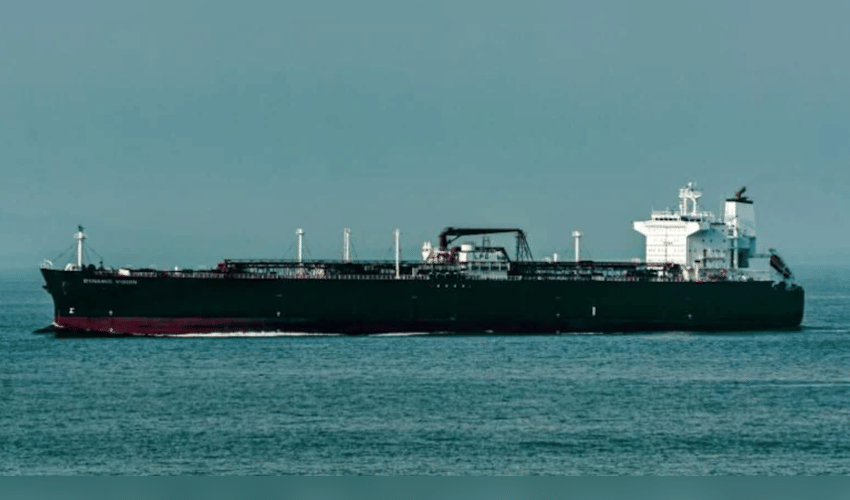

In a major show of support for freedom of navigation, the United Kingdom and France have joined Germany, Italy, the Netherlands and Japan in declaring they are ready to “contribute to appropriate efforts” to restore safe passage through the Strait of Hormuz. The joint statement, issued amid an escalating Iran–Israel war, underscores Western and allied determination to counter Tehran’s blockade of one of the world’s most critical energy chokepoints.
The six nations stopped short of announcing a formal naval mission but indicated willingness to participate in “preparatory planning” for coordinated security operations. This could include mine‑countermeasure support, intelligence sharing, escort‑style patrols, or other measures aimed at reopening the Strait once the security situation stabilises. The move aligns with broader US‑led efforts to de‑escalate the crisis while keeping pressure on Iran over its attacks on commercial shipping.
Iran has effectively shut down Hormuz in recent weeks, using drones, missiles and suspected mines to target merchant vessels and deter tankers from transiting. In normal times, roughly one‑fifth of globally traded seaborne oil and a large share of liquefied natural gas move through the narrow waterway, making any prolonged closure a major threat to global energy markets. Hundreds of ships are now stranded or rerouted, pushing up freight costs and compounding price volatility.
The UK–France–Japan–EU bloc explicitly condemned Iran’s actions, calling them a threat to international peace and warning that disruptions to energy flows hurt consumers worldwide, especially the most vulnerable. At the same time, European governments and Tokyo are being careful not to over‑commit militarily. Defence officials in London have noted that the high threat level makes many capitals reluctant to send warships directly into the Gulf at this stage, even as they prepare for a more robust role in follow‑on operations.
Behind the scenes, the group is coordinating with the International Energy Agency and major oil producers to manage market impacts. This includes possible joint draws on strategic reserves and discussions about boosting production capacity elsewhere to offset any extended loss of flows through Hormuz. The overall message is that Europe and its allies intend to back up diplomatic and economic tools with measured military planning, but only within a multilateral framework designed to contain escalation.
The stakes are especially high. Any sustained closure of Hormuz could mean higher fuel prices, tighter LNG supplies for power and industry, and pressure on the rupee and trade‑balance numbers. New Delhi and others are quietly accelerating talks on diversified supply routes, floating storage options, and closer coordination with both Gulf exporters and Western‑backed security arrangements for key maritime corridors. While framed in cautious language, the UK–France–Japan–EU pledge marks a quiet turning point in how the world is prepared to respond to the weaponisation of vital sea lanes. By signalling readiness to contribute to operational planning, these powers are sending a clear message to Iran and other regional actors that attempts to shut down Hormuz will come with growing political and military costs.



