



World
Trump Says Russia and China Providing Little Intelligence Support to Iran, Claims Both Want Conflict to End
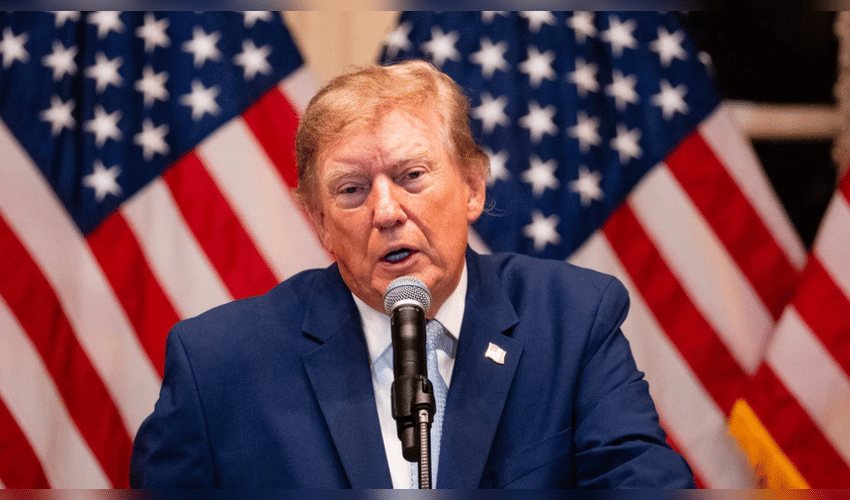

US President Donald Trump has said that Russia and China are providing only limited intelligence assistance to Iran and that both countries want the ongoing conflict to come to an end. His remarks come amid growing international concerns over the involvement of major global powers in the escalating tensions surrounding Iran.
Trump downplayed the extent of Moscow and Beijing's support for Tehran, suggesting that neither country was playing a significant role in helping Iran through intelligence operations. He also indicated that both Russia and China had little interest in allowing the confrontation to escalate further. The comments come as Washington continues to monitor Iran's international partnerships and the possibility of outside assistance during the conflict.
Russia and China maintain close diplomatic, economic and strategic relationships with Iran. Both countries have previously opposed several Western policies targeting Tehran, particularly US-led sanctions and efforts to isolate the Iranian government. Their relationship with Iran does not necessarily mean they are willing to become directly involved in a military confrontation with the United States or its regional partners.
China has significant economic interests in the Middle East, particularly in maintaining stable energy supplies and uninterrupted international trade. Any prolonged disruption in the region could affect oil markets, shipping routes and China's wider economic interests. Russia, meanwhile, has its own strategic calculations in the region. Although Moscow maintains defence and diplomatic ties with Tehran, a wider conflict could create additional geopolitical and economic challenges for the Kremlin.
Trump's remarks also highlight the diplomatic importance of his engagement with Russian President Vladimir Putin and Chinese President Xi Jinping. Both leaders have considerable influence in international affairs and could potentially contribute to efforts aimed at reducing tensions. Concerns about possible intelligence sharing and military assistance to Iran have remained a significant issue in international security discussions. However, the extent of any support from Moscow and Beijing remains contested, with public statements and intelligence-related reports presenting different assessments.
The situation is also being closely watched by countries dependent on energy supplies from the Gulf region. Any escalation involving Iran could threaten maritime security around the Strait of Hormuz, a critical route for international oil shipments. For India and other major energy-importing economies, prolonged instability could result in higher crude oil prices, increased transportation expenses and pressure on domestic energy markets.
While Trump believes Russia and China want the confrontation to end, whether their diplomatic influence can help bring about a settlement remains uncertain. The possibility of further escalation will largely depend on developments between Washington and Tehran, as well as the willingness of regional and international players to support diplomatic efforts. Trump's comments suggest that the US administration does not expect Russia or China to become major direct participants in the conflict, even as their relationships with Iran continue to attract international attention.
Disclaimer: This image is taken from AFP.