



World
The US may send more Coast Guard assets to stop the fleeing tanker, sources say.
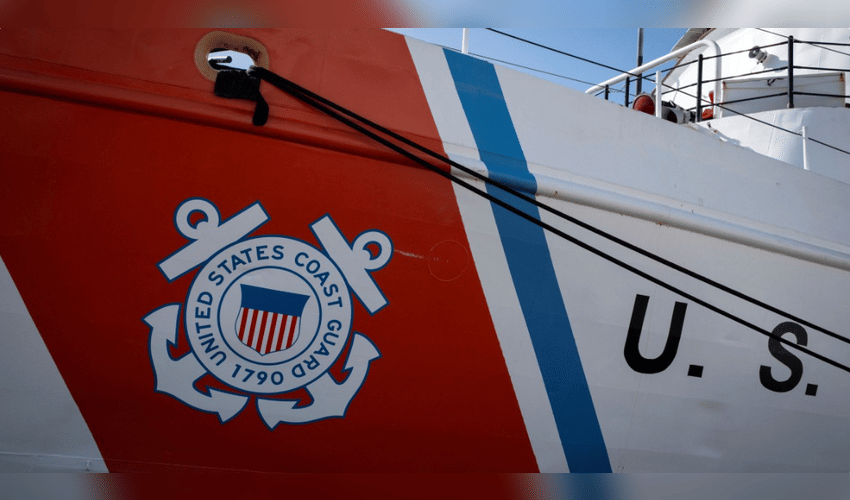

The US Coast Guard is holding off on boarding and seizing a Venezuela-linked oil tanker it has been tracking since December 21, while waiting for additional forces to arrive, according to a US official and a source cited by Reuters. The tanker, identified by maritime organizations as Bella 1, has repeatedly refused boarding requests. As a result, the mission may be handed over to one of only two specialized Maritime Security Response Teams capable of conducting high-risk boardings, including operations involving helicopter rappelling.
The prolonged chase underscores the gap between the Trump administration’s push to capture sanctioned oil vessels near Venezuela and the Coast Guard’s limited operational capacity. Unlike the US Navy, the Coast Guard is authorized to conduct law enforcement actions such as stopping and seizing sanctioned ships. President Trump directed a blockade of all sanctioned tankers traveling to and from Venezuela as part of Washington’s effort to intensify pressure on Venezuelan President Nicolas Maduro.
The Coast Guard has already seized two tankers in the region. Following the first operation on December 10, US Attorney General Pam Bondi released footage showing armed personnel descending from helicopters onto the vessel. Another Department of Homeland Security post showed Coast Guard officers preparing aboard the aircraft carrier Gerald Ford before seizing the tanker Centuries. However, those specialized teams were too far from Bella 1 at the time to intervene.
Officials say only a limited number of teams are trained for such operations. Homeland Security has not commented on why the vessel has not yet been seized, and the administration may ultimately decide not to board it. The White House said the US remains in active pursuit of a sanctioned vessel involved in Venezuela’s illegal sanctions evasion.
Although the US has deployed significant military assets in the Caribbean, including an aircraft carrier, fighter jets, warships, Ospreys, and transport aircraft, the Coast Guard’s resources remain stretched. The service has long warned that it lacks sufficient capacity to manage its expanding responsibilities, from drug interdiction to search-and-rescue missions.
In November alone, the Coast Guard intercepted nearly 49,000 pounds of illegal drugs worth over US$362 million. Yet its leadership continues to warn of a severe readiness crisis. Admiral Kevin Lunday told lawmakers that the Coast Guard’s preparedness is at its lowest level in decades. While the service requested US$14.6 billion for the 2026 fiscal year and will receive an additional US$25 billion under new federal legislation, Lunday warned that the agency’s ongoing decline in readiness is unsustainable.



