



Economy
The Navy chief stated that India's economic growth will be influenced, driven, and shaped by the sea.
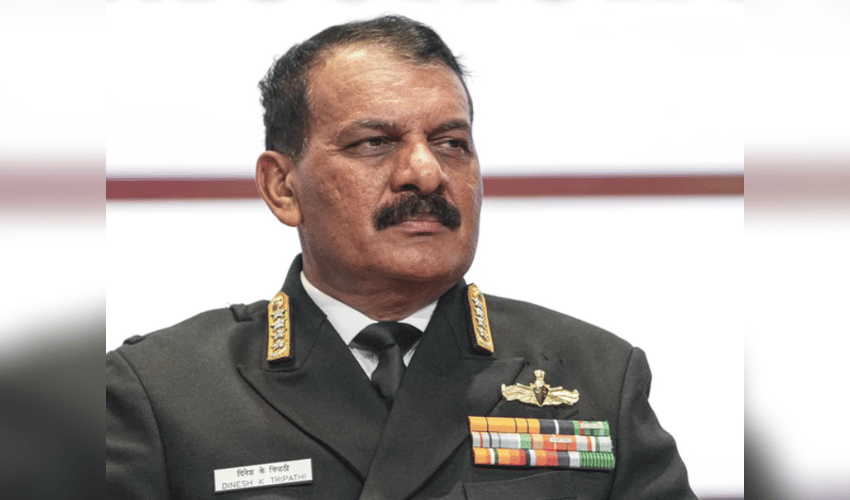

India’s maritime strength will play a pivotal role in realizing its economic and strategic goals in the coming decades, Chief of Naval Staff Admiral Dinesh K Tripathi said. He emphasized that the country’s ambition to reach a USD 5-trillion economy and become a Viksit Bharat by 2047 will be shaped “at, from, and by the sea.”
Speaking at the Gen BC Joshi Memorial Lecture at Savitribai Phule Pune University, Admiral Tripathi highlighted that India’s geography—with mountains to the north and oceans on three sides—has historically given it a natural maritime orientation. “India’s connection with the world has always been maritime and will continue to be so,” he said. He warned, however, that a historical focus on land allowed European powers, with superior naval capabilities, to dominate the seas and eventually subjugate India, serving as a “sobering reminder” of the cost of neglecting maritime power.
Noting the rapid growth of global ocean trade, the Navy chief said maritime commerce has increased more than fivefold in recent decades, reaching 12.3 billion tonnes in 2023, with ships growing larger than ever. “Today, as 95% of our trade moves by sea, India’s ambitions to achieve a five-trillion-dollar economy by 2027, become the world’s third-largest economy by 2030, and attain Viksit Bharat status by 2047 will be realized at, from, and by the sea,” he added.
Admiral Tripathi stressed that harnessing India’s vast ocean resources with “clarity, purpose, and imagination” could bring transformational rewards—boosting economic growth, strengthening strategic capabilities, and accelerating the nation’s development. He noted that viewing the maritime domain through the lens of resources, rewards, and risks is essential as India seeks to expand its global presence and protect its economic interests in contested waters.



