



Politics
Taliban's Push to Dam the Kabul-Kunar Basin Set to Deepen Pakistan's Water Crisis
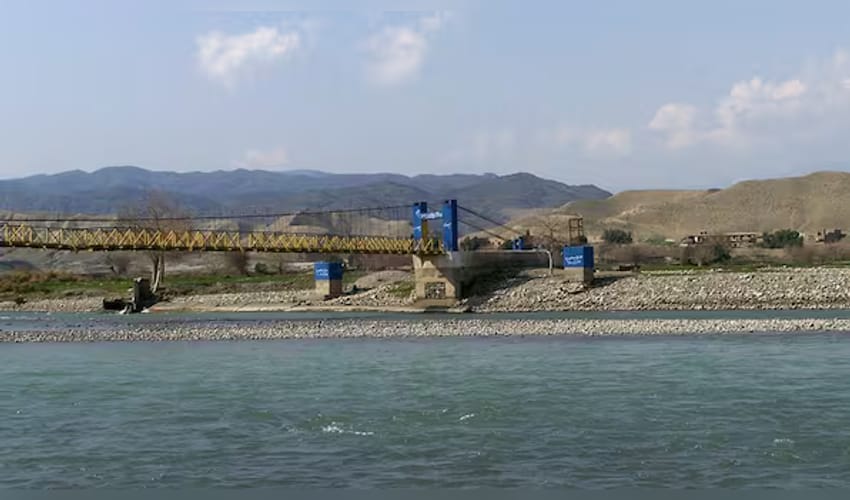

Afghanistan’s Taliban administration is moving ahead with plans to build major dams on the Kabul–Kunar river basin, a development that experts say will worsen Pakistan’s already severe water scarcity. While Islamabad is attempting to raise concerns diplomatically, its long history of mismanaging water resources and alienating Kabul has left it with little leverage.
The Kabul River contributes a significant share of water to the Indus system, especially for Khyber Pakhtunkhwa. Any major upstream diversion or storage by Afghanistan directly affects Pakistan’s irrigation supply, hydropower generation, urban consumption, and agricultural productivity. Taliban authorities have already stated that Afghanistan has the sovereign right to use its water for the benefit of its own population, indicating that Pakistan’s objections are unlikely to halt or delay dam construction.
Pakistan’s vulnerability today is largely the result of years of neglect. For decades, Afghanistan sought a water-sharing agreement, yet Islamabad avoided formalizing one, assuming Afghanistan would remain unstable and incapable of undertaking large-scale river projects. That miscalculation has now backfired, leaving Pakistan without a treaty and without meaningful influence at a crucial moment.
The Taliban leadership appears fully aware of Pakistan’s weakened position. With Pakistan battling economic turmoil, political paralysis, and collapsing institutions, Kabul understands that Islamabad lacks the diplomatic strength or financial capacity to negotiate effectively. Relations between the two neighbors have also deteriorated sharply, with the Taliban repeatedly accusing Pakistan of interfering in Afghan affairs. This growing mistrust makes cooperative water management even more unlikely.
Pakistan is already one of the world’s most water-stressed nations, struggling with over-extraction of groundwater, aging irrigation systems, declining glacial reserves, inadequate reservoir capacity, and systemic mismanagement. A reduction in Kabul River flow will further strain the country’s fragile water supply and could push it closer to a long-term national crisis.
The Taliban’s dam initiative represents more than a development project; it marks a strategic shift. Afghanistan is asserting its sovereignty at a moment when Pakistan no longer has the political, economic, or strategic space to push back. A country that once believed it could shape Afghanistan’s policies through influence and proxies is now facing the consequences of those choices.
Unless Pakistan urgently reforms its water governance, strengthens its infrastructure, and rebuilds trust with Kabul through a formal water-sharing agreement, the impact of the Kabul–Kunar dams will be severe and enduring. This is a crisis Pakistan helped create and one it may now be powerless to stop.
This image is taken from First Post.