



News
Sheikh Hasina Plans Return to Bangladesh on December 16, Government Warns of Arrest
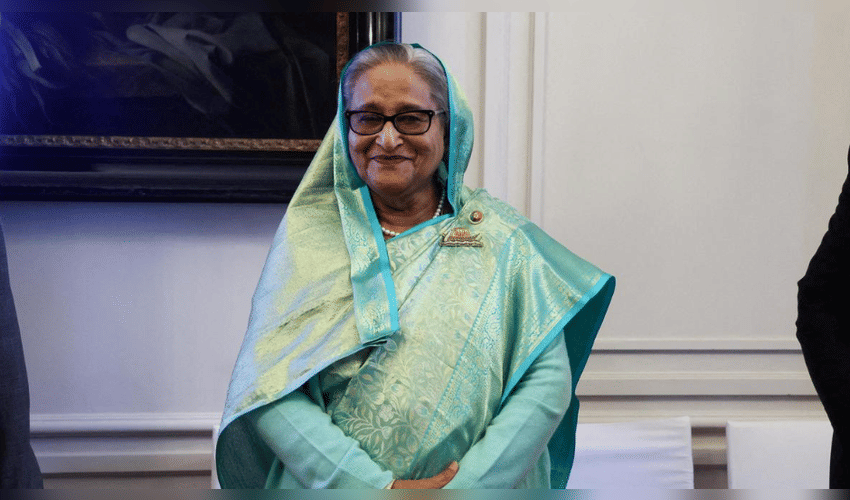

Former Bangladesh Prime Minister Sheikh Hasina is reportedly planning to return to Dhaka on December 16, coinciding with the country's Victory Day celebrations. However, her proposed homecoming could trigger a major political and legal confrontation, with Bangladesh's government warning that she will be arrested if she enters the country. Hasina, who has been living in India since leaving Bangladesh in August 2024, has expressed her desire to return aboard Biman Bangladesh Airlines, the country's national carrier. Her spokesperson, Syed Mozammel Ali, said she expects the Bangladeshi authorities to facilitate her journey, arguing that she had originally travelled to India on a Bangladeshi aircraft.
December 16 marks Bangladesh's Victory Day, commemorating the country's independence following the 1971 Liberation War. Hasina's decision to choose this date for her proposed return carries considerable political significance, particularly as tensions between her supporters and the current administration remain high. The government in Dhaka, however, has taken a firm position against her return without addressing the legal proceedings against her. State Minister for Foreign Affairs Shama Obaed Islam has indicated that Hasina would face arrest upon entering Bangladesh. Officials have also urged India to cooperate with the extradition request submitted by Dhaka under the bilateral extradition agreement.
The former prime minister is facing serious legal consequences following the political upheaval that led to her removal from office in August 2024. In November 2025, Bangladesh's International Crimes Tribunal sentenced her to death in absentia after convicting her of crimes against humanity linked to the violent crackdown on student-led protests in 2024. The protests initially erupted over government job quota policies before developing into a nationwide movement demanding Hasina's resignation. According to estimates by the United Nations, as many as 1,400 people were killed during the unrest.
Hasina has rejected the proceedings and maintained that the charges against her are politically motivated. She has also questioned the legitimacy of the tribunal process. Her proposed return comes at a sensitive time for Bangladesh's political landscape. The Awami League, which governed the country under Hasina for many years, has been barred from political activities and did not participate in the February 2026 general election. The BNP subsequently returned to power under Prime Minister Tarique Rahman.
The announcement could also create further diplomatic pressure between New Delhi and Dhaka. Bangladesh has repeatedly sought Hasina's extradition, while India has so far not publicly announced a decision on the latest developments. Both countries have important economic, security and regional interests, making the issue particularly sensitive for bilateral relations. Although Hasina has indicated December 16 as her intended return date, there is no confirmation that arrangements for her journey have been finalised. The Bangladeshi government's opposition and the legal proceedings against her remain significant obstacles. Her possible return could become another major turning point in Bangladesh's post-2024 political transition, with implications for the country's domestic politics as well as its relationship with India.
Disclaimer: This image is taken from The Hindu.