



World
Saudi Pact and Iran Tensions: Why Pakistan Risks Being Drawn Into the Middle East Conflict
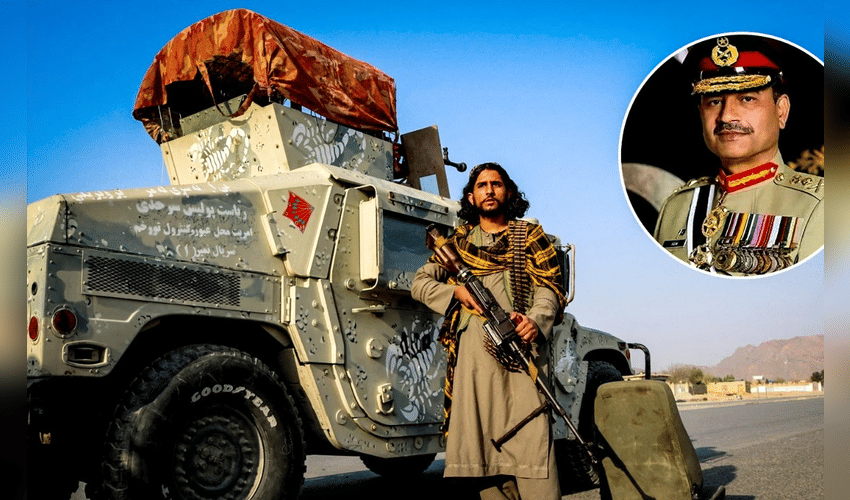

Pakistan could find itself increasingly entangled in the escalating conflict in the Middle East due to its deep strategic ties with Saudi Arabia and the rapidly deteriorating security situation in the region. Analysts say that although Islamabad may prefer to stay out of direct fighting, geopolitical commitments could make neutrality difficult.
A key factor behind this risk is a Strategic Mutual Defence Agreement signed between Pakistan and Saudi Arabia in 2025. The pact effectively states that an attack on one country would be treated as an attack on both, strengthening their long-standing military partnership. Such an arrangement raises the possibility that Pakistan could be compelled to support Saudi Arabia if the kingdom becomes directly involved in the conflict with Iran.
The agreement also carries wider strategic implications. Because Pakistan is the only nuclear-armed Muslim-majority country, the pact has sparked speculation that Saudi Arabia could potentially fall under Pakistan’s nuclear security umbrella. Experts warn that such a scenario would significantly complicate global non-proliferation efforts and could further intensify regional rivalries.
Recent developments in the Middle East have heightened these concerns. Escalating hostilities involving Iran and its adversaries have already led to attacks on Saudi territory and energy infrastructure. In response, Pakistani officials have reportedly warned Iran against targeting Saudi Arabia, signaling Islamabad’s commitment to its Gulf ally.
Despite these obligations, many analysts believe Pakistan would hesitate before entering an open military confrontation. The country faces serious domestic and economic challenges, and direct involvement in a Middle Eastern war could strain its fragile economy and overstretch its military resources. Additionally, Pakistan has historically tried to maintain a delicate balance between Saudi Arabia and Iran, both of which hold significant influence in the region.
For Islamabad, the situation presents a complex diplomatic dilemma. On one hand, it relies heavily on Saudi Arabia for economic assistance, oil supplies, and employment opportunities for millions of Pakistani workers in the Gulf. On the other, Iran is a neighboring country with which Pakistan shares cultural ties, trade interests, and a long border. As tensions across the Middle East intensify, Pakistan’s leadership may attempt to pursue a policy of cautious neutrality. However, strategic alliances, economic dependencies, and regional politics mean that Islamabad could still find itself pulled into the conflict if the crisis continues to escalate.
Disclaimer: This image is taken from India Today.



