



News
Gulf Missile Strikes Deepen Crisis for South Asian Families Dependent on Migrant Workers
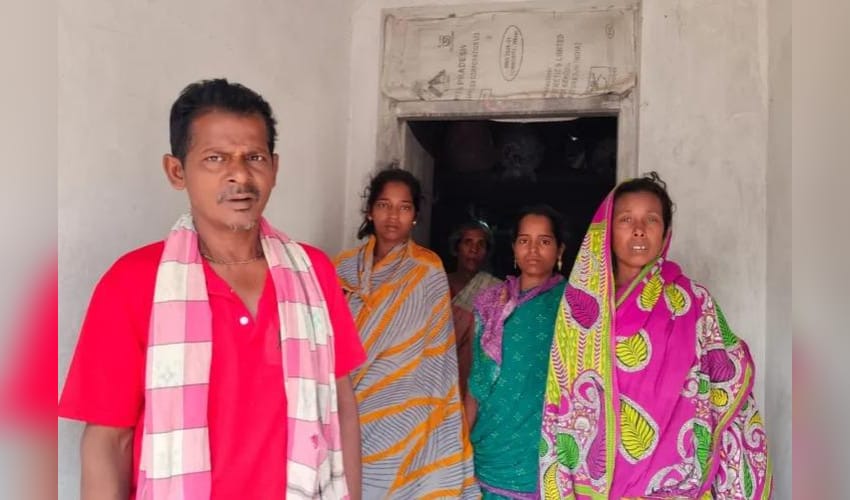

The ongoing conflict in the Gulf, marked by missile and drone attacks linked to the Iran war, is having a devastating impact on millions of South Asian families who rely on migrant workers in the region for survival.
According to a report, a significant number of casualties in recent attacks across Gulf countries have been migrant workers from South Asia, highlighting their vulnerability in the escalating conflict. Workers from countries such as India, Pakistan, Bangladesh, and Nepal—who form a major part of the Gulf’s labor force—have been among those killed or injured in strikes and falling debris.
The Gulf region hosts tens of millions of foreign workers, with nearly 21 million coming from South Asia alone. Many are employed in sectors such as construction, oil facilities, and transport—areas that have become high risk targets during the conflict.
For families back home, the consequences extend far beyond immediate safety concerns. Remittances sent by these workers are a critical economic lifeline, supporting household incomes, education, and debt repayments. Any disruption—whether due to injury, death, or job loss—can push families into severe financial distress.
Personal tragedies are also emerging, illustrating the human cost of the conflict. In one case, a young migrant worker from India died after experiencing severe stress during missile attacks, leaving his family already burdened by debt—without their primary source of income.
Despite the dangers, many workers are unable to leave the Gulf due to financial pressures and limited opportunities in their home countries. Experts note that economic necessity often forces migrants to remain in high risk zones, even during times of war.
The broader economic impact is also raising concerns. Countries like India, Bangladesh, and Pakistan depend heavily on remittance inflows from the Gulf, and prolonged instability could significantly affect their economies. Analysts warn that a sustained conflict may lead to job losses in key sectors, reduced income transfers, and increased economic strain across South Asia.
As the conflict continues, the crisis is increasingly being felt not just in the Gulf but across South Asia, where millions of families face growing uncertainty over both the safety of their loved ones and their financial future.



