



World
Rising Strait of Hormuz Tensions May Lead to Bigger Social Security Checks in 2027
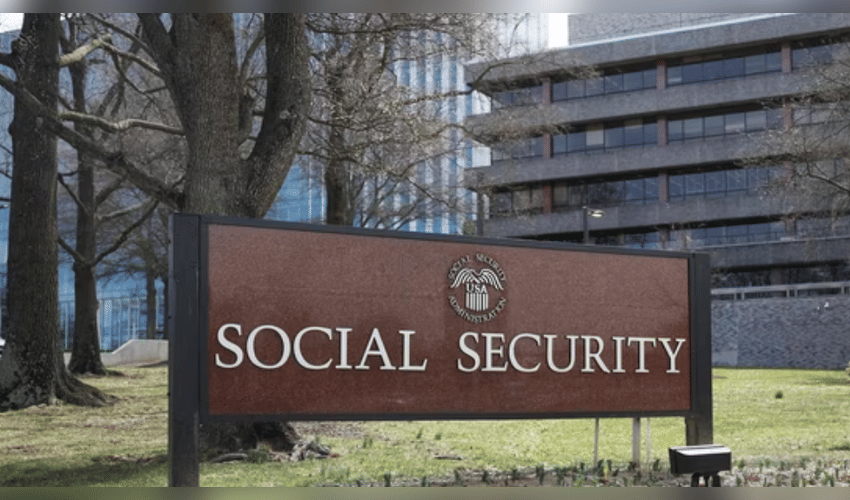

Escalating tensions around the Strait of Hormuz could have an unexpected impact on millions of Americans receiving Social Security benefits, as higher oil prices may contribute to a larger Cost-of-Living Adjustment (COLA) in 2027. The Strait of Hormuz, one of the world's most important oil shipping routes, handles roughly one-fifth of global crude oil supplies. Any disruption to traffic through the narrow waterway can send energy prices sharply higher, raising concerns about inflation across the global economy. Recent geopolitical developments have renewed fears of supply disruptions, pushing oil markets into focus.
Economists say sustained increases in oil prices could feed into higher inflation in the United States. Since Social Security's annual Cost-of-Living Adjustment is calculated using inflation data, a prolonged rise in energy costs could translate into larger monthly benefit payments for retirees and other beneficiaries in 2027.
The Social Security Administration determines COLA based on changes in the Consumer Price Index for Urban Wage Earners and Clerical Workers (CPI-W). While fuel prices alone do not determine the adjustment, they influence the broader inflation rate by increasing transportation, manufacturing, utility, and food costs. As businesses face higher operating expenses, those costs often filter down to consumers, contributing to overall inflation.
Several analysts currently estimate that the 2027 COLA could be around 3.7% to 3.8%, although the final figure will depend on inflation data collected during the third quarter of 2026. If inflation remains elevated because of higher energy prices, beneficiaries could see a more substantial increase in their monthly payments than previously expected.
Financial experts caution that a higher COLA does not necessarily mean retirees will enjoy greater purchasing power. Larger benefit checks typically reflect rising living costs rather than increased financial well-being. Higher prices for gasoline, groceries, healthcare, electricity and other everyday necessities could offset much of the additional income.
Market watchers note that the outlook remains uncertain. Any easing of geopolitical tensions or stabilization in global oil supplies could reduce inflationary pressures before the official COLA calculation is finalized. On the other hand, if disruptions to energy markets continue, inflation could remain elevated and push the adjustment higher.
The situation underscores how geopolitical events thousands of miles away can have direct consequences for household finances in the United States. While developments in the Strait of Hormuz primarily affect global energy markets, their ripple effects could ultimately influence the size of Social Security checks received by millions of Americans in 2027.



