



Asia In News
Report claims the United States urgently sought a ceasefire with Iran and leaned on Pakistan to help broker the agreement.
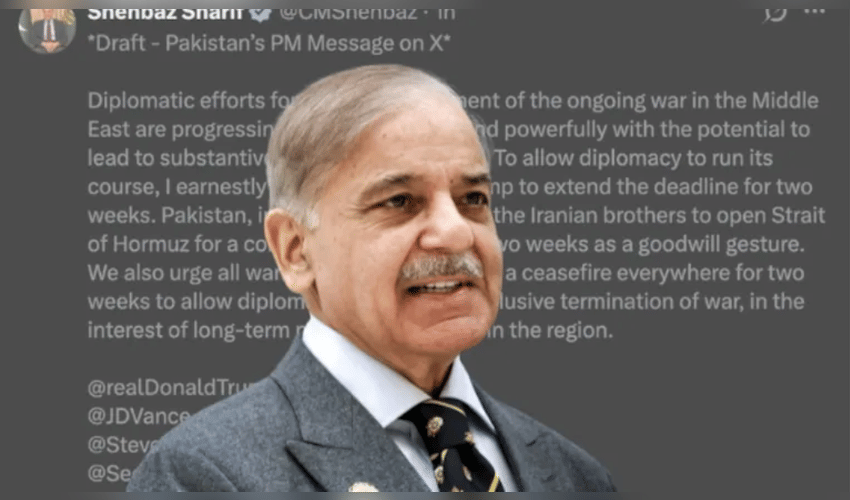

A report by the Financial Times claims that despite Pakistan portraying itself as a neutral peacemaker, it was actually the United States that urged Islamabad to mediate a temporary ceasefire with Iran. The report raises doubts about Pakistan’s independent foreign policy, suggesting it acted more as a conduit for Washington rather than an impartial broker, even as Donald Trump continued issuing strong threats against Iran and claimed Tehran was seeking a truce.
According to sources familiar with the matter, the Trump administration had been pressuring Pakistan for weeks to persuade Iran to pause hostilities and reopen the strategically vital Strait of Hormuz. Pakistan’s role, as described in the report, was to present the proposal in a way that would appeal to Tehran, given its position as a neighboring Muslim-majority country.
Backchannel diplomacy led by Asim Munir culminated in a two-week ceasefire agreement involving the US, Israel, and Iran. This came shortly after Trump warned of severe consequences for Iran, though he was reportedly concerned about rising oil prices and the resilience of the Iranian government. The report states that Washington believed Iran would be more receptive to a proposal delivered by Pakistan, which had maintained a stance of neutrality throughout the conflict. As a deadline approached, Pakistan’s military leadership engaged in intensive discussions with US officials, including Trump, JD Vance, and envoy Steve Witkoff, before conveying the proposal to Iranian Foreign Minister Abbas Araghchi.
Pakistan’s Prime Minister Shehbaz Sharif later publicly announced the ceasefire plan, although reports suggest the White House had already approved the statement beforehand. An apparent oversight in Sharif’s announcement, which included a draft label, further hinted at prior coordination. Behind the scenes, Pakistan facilitated communication between Iran and the US, sharing proposals and exploring multiple ceasefire durations. While initial differences between the two sides were significant, Iran gradually showed willingness to consider limits on its uranium stockpile.
However, internal divisions within Iran—particularly within the Islamic Revolutionary Guard Corps—complicated the process. While political leaders supported a temporary truce tied to reopening Hormuz, some factions opposed ending the conflict or engaging with the US. Tensions escalated when an Iranian drone strike targeted Saudi Arabia’s Jubail petrochemical facility, which Pakistani officials viewed as an attempt to disrupt negotiations. Pakistan, which maintains defense ties with Saudi Arabia, reacted strongly, warning Iran that such actions could jeopardize peace efforts. Following this, Iranian President Masoud Pezeshkian agreed to send representatives to Islamabad for further negotiations after speaking with Sharif, marking a step forward in diplomatic efforts.



