



Asia In News
Reko Diq mining project hit by fresh delay over Balochistan security concerns
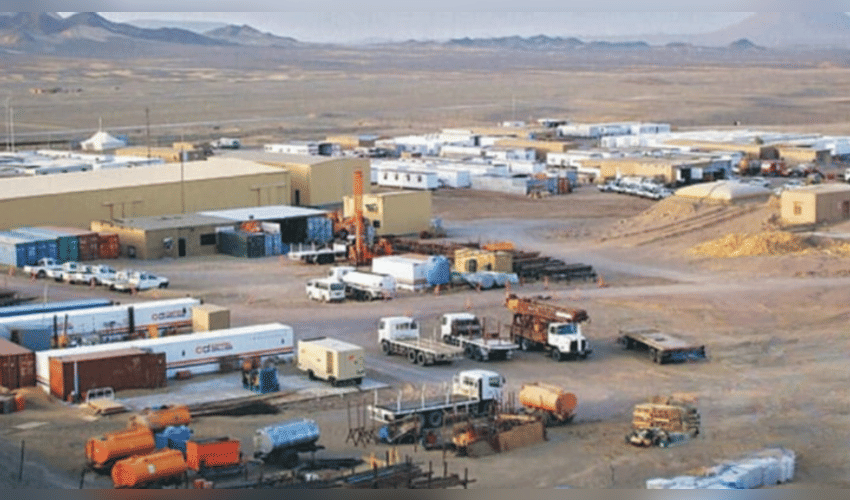

A major delay has hit Pakistan’s flagship Reko Diq copper‑and‑gold project as global miner Barrick Gold steps back to reassess security and investment plans amid rising violence in Balochistan. The Canadian‑listed company has announced an extended review of the project, pushing back key development milestones and signaling that security risks are now a central factor in how international investors view the province’s mining sector.
The Reko Diq project, located in the Chagai district of Balochistan, is one of the world’s largest undeveloped copper‑and‑gold deposits and was expected to generate billions of dollars in exports and thousands of jobs over the coming decades. But under the current plan, Barrick will now take an additional 12 months to evaluate security arrangements, project timelines, and capital budgets before moving forward at full pace.
Barrick confirmed that the delay is directly linked to a spike in militant activity and attacks in southwestern Balochistan, where separatist and armed groups have targeted schools, banks, and security installations in recent months. The company emphasized that safety of personnel and the stability of supply routes are critical to any large‑scale mining operation, and that the extra review period is meant to align risk with the required level of investment.
The project is structured as a joint venture with Barrick holding a 50 percent stake, while the remaining 50 percent is split between federal state‑owned enterprises and the government of Balochistan. This arrangement was designed to share both benefits and risks, but the current pause has put added pressure on officials to demonstrate that the province can provide a secure environment for long‑term foreign investment.
Balochistan authorities have indicated plans to create a dedicated security force tailored to protect mining belts, alongside upgrades to intelligence and surveillance along key transport corridors. Still, investors are watching carefully, as perceptions of risk can quickly affect insurance costs, supply‑chain choices, and willingness to deploy skilled expatriate staff.
Analysts say the Reko Diq delay underscores a broader pattern: in conflict‑affected or unrest‑prone regions, mining projects do not just face technical or financial hurdles, but an ongoing “confidence test” from global capital. If security conditions do not stabilize over the next year, the risk is that the project could drag on much longer than originally planned, or that other international miners may choose to put capital elsewhere.
The Reko Diq project was promoted as a cornerstone of the country’s industrial and mining strategy, with the potential to reduce dependence on imports and boost foreign reserves. The current slowdown serves as a stark reminder that economic ambitions in resource‑rich but insecure regions must be matched by credible security and political stability—or investors will simply hit pause.



