



News
Reality vs Reassurance: Pakistan's Claim of 'Limited Impact' From Iran War Raises Doubts
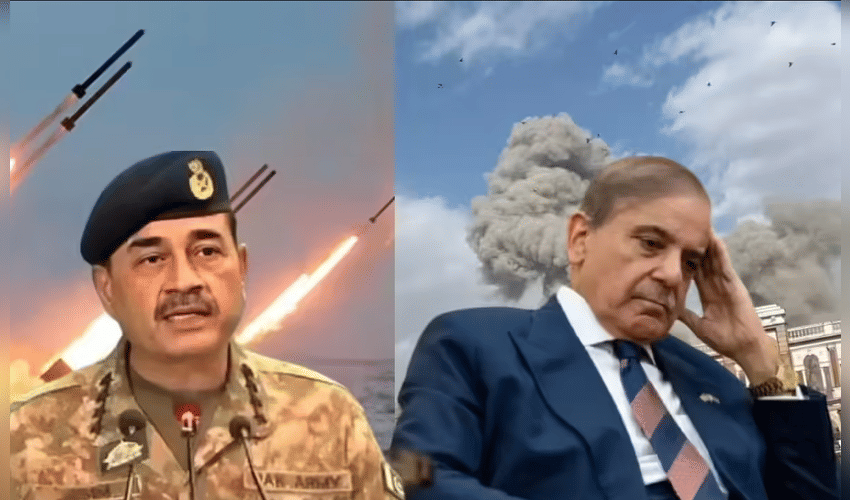

Pakistan’s attempt to reassure the international community that the ongoing conflict involving Iran will have only a “limited” impact on its economy is drawing skepticism from analysts, who argue that the country’s fragile financial position leaves it highly vulnerable to global shocks.
Officials in Islamabad have told the International Monetary Fund (IMF) that the regional crisis is unlikely to significantly disrupt Pakistan’s economic outlook. The government has projected that the current account deficit will remain around $2 billion and suggested that inflation and economic stability can be managed despite rising global energy prices.
However, many economists believe these assurances may be overly optimistic. Pakistan remains heavily dependent on imported fuel, and any prolonged surge in global oil prices could quickly strain the country’s already limited foreign exchange reserves.
The situation is particularly concerning because Pakistan’s economy has been struggling with persistent inflation, mounting debt and a weakening currency. Rising oil prices could sharply increase the country’s import bill, forcing the government to either raise fuel prices further or expand subsidies both of which carry serious economic consequences.
Critics say Islamabad’s confidence contrasts sharply with the reality on the ground. Recent increases in fuel prices have already pushed transportation costs higher and triggered fears of another wave of inflation that could hit food prices and electricity tariffs.
Pakistan’s reliance on external financial assistance also complicates the situation. The country is currently working closely with the IMF to stabilize its economy, and any major fiscal imbalance triggered by rising energy costs could place additional pressure on ongoing financial support programmes.
Observers argue that Pakistan’s leadership may be attempting to project stability to reassure lenders and investors. Yet the country’s limited economic buffer means that external shocks such as a prolonged Middle East conflict could quickly disrupt these projections.
The uncertainty surrounding the Iran conflict has already rattled global energy markets, and Pakistan’s economic vulnerability makes it particularly exposed to such turbulence. With little room for fiscal maneuvering, Islamabad may find it increasingly difficult to maintain its optimistic outlook if the crisis drags on.
For many analysts, the episode highlights a deeper problem: Pakistan’s long-standing failure to reduce its dependence on imported energy and to build a resilient economic structure capable of withstanding global crises. As geopolitical tensions intensify, those structural weaknesses are once again coming into sharp focus.
This Image is taken from Times Of India.



