



News
Qatar Blames Iran for Strike on 'Al-Rekayyat' Vessel, Calls Attack Unacceptable
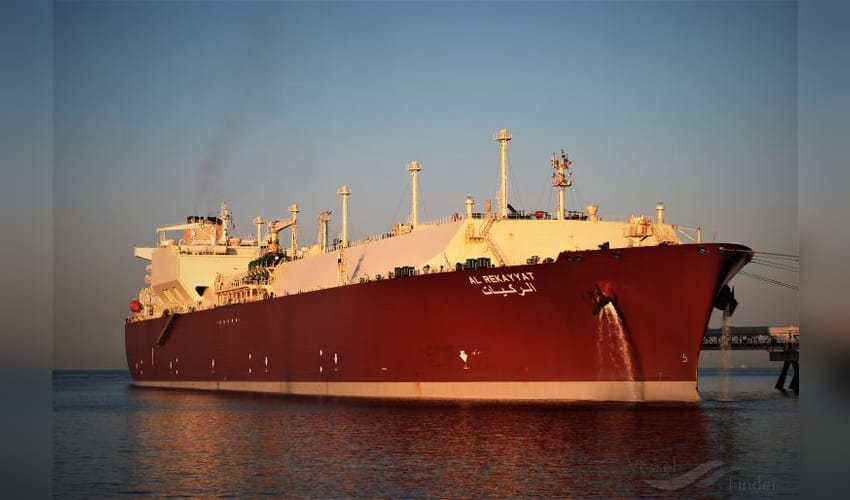

Qatar has sharply condemned the reported attack on its liquefied natural gas (LNG) vessel Al-Rekayyat, describing it as an unacceptable assault on international maritime security and holding Iran fully legally responsible for the incident and its consequences. The vessel was reportedly targeted while passing near the Strait of Hormuz, one of the world's busiest and most strategically important shipping lanes. Qatari officials said the strike not only endangered the safety of the ship and its crew but also posed a direct threat to global energy supplies and the free movement of commercial vessels through international waters. Although the tanker suffered damage, all crew members were reported safe, preventing what could have become a much larger humanitarian and environmental disaster.
In an official statement, Qatar stressed that the attack represented a clear violation of international law, particularly the principles that guarantee freedom of navigation and the safe passage of commercial vessels through international waterways. Doha urged Iran to immediately stop any actions that could further destabilize the Gulf region, warning that continued attacks on civilian shipping would not only increase regional tensions but also threaten global trade and energy security. The Qatari government has also reserved its right to pursue legal and diplomatic measures under international law while demanding an explanation from Tehran and assurances that such incidents will not be repeated.
The incident has drawn significant international attention because of where it occurred. The Strait of Hormuz serves as a vital gateway connecting Gulf energy producers with markets across Asia, Europe, and other parts of the world. Nearly a fifth of the world's oil exports and a substantial portion of global liquefied natural gas shipments pass through this narrow waterway every day. Any disruption in the area can quickly ripple across international markets, driving up shipping costs, increasing insurance premiums for cargo vessels, and influencing global energy prices. Even isolated attacks can force shipping companies to alter routes or delay shipments, affecting supply chains far beyond the Middle East.The reported strike on Al-Rekayyat comes against the backdrop of heightened geopolitical tensions in the region, where military confrontations and diplomatic disagreements have already raised concerns about the security of international shipping. According to multiple reports, Al-Rekayyat was among several commercial vessels affected during a series of incidents near the Strait of Hormuz, intensifying fears that the region could witness further escalation if diplomatic efforts fail. Maritime security agencies have subsequently raised threat assessments for vessels operating in the area, urging shipping companies to exercise additional caution while transiting through Gulf waters.
Qatar's response has been particularly firm because the country is one of the world's leading exporters of liquefied natural gas, with much of its energy trade relying on uninterrupted access through the Strait of Hormuz. Any threat to shipping in the region carries economic implications not only for Qatar but also for countries that depend heavily on Gulf energy supplies. Analysts believe that attacks targeting commercial vessels risk undermining confidence in one of the world's most important maritime trade corridors and could encourage greater international naval cooperation to protect shipping routes if tensions continue to rise.
While Iran has faced accusations over the attack, the broader diplomatic situation remains fluid, and developments are being closely monitored by governments, energy companies, and maritime organizations worldwide. The coming days are expected to be crucial as investigations continue and diplomatic channels remain active in an effort to prevent further escalation. For now, the incident involving Al-Rekayyat has reinforced longstanding concerns about the vulnerability of global shipping lanes during periods of regional conflict and highlighted the importance of maintaining stability in waterways that are essential to international trade and energy security.



