



News
Provocation Over Peace: Pakistan Army's Old Playbook Resurfaces Under Asim Munir
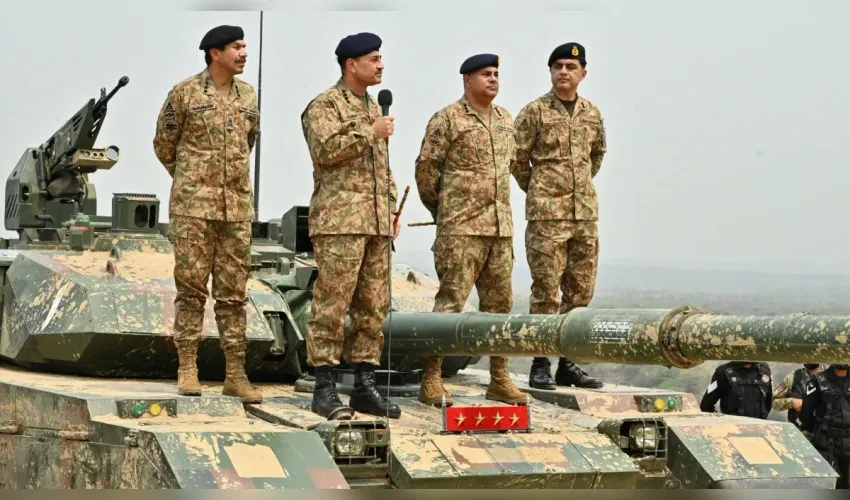

Fresh speculation emerging from security circles has once again raised concerns over Pakistan’s intentions towards India, with reports pointing to the alleged mobilisation of elite units under the direct influence of Pakistan Army chief General Asim Munir. While Islamabad officially denies hostile designs, a pattern of aggressive rhetoric, covert activity and reliance on irregular warfare continues to fuel suspicion about a renewed attempt to destabilise India.
General Munir, since taking charge of the Pakistan Army, has adopted an openly confrontational posture towards New Delhi. His statements have repeatedly revived the military’s traditional hostility towards India, even as Pakistan struggles with deep economic distress, political chaos and widespread internal unrest. Critics argue that the army’s emphasis on an external enemy is a familiar tactic to divert domestic anger and consolidate its grip on power.
At the centre of the latest concerns is the reported role of Pakistan’s special operations formations, often referred to in Indian security assessments as “Border Action Teams” or elite assault units. These formations have, in the past, been accused of attempting cross-border raids, infiltration and support for terrorist groups operating in Jammu and Kashmir. Though Pakistan officially distances itself from such actions, Indian agencies maintain that these units operate with the knowledge and backing of Rawalpindi.
Security analysts note that Pakistan’s strategic playbook has remained largely unchanged. Unable to match India in conventional military strength, the Pakistani establishment has historically leaned on asymmetric warfare, including terror proxies and deniable operations along the Line of Control. This approach allows the army to provoke instability while avoiding direct, full-scale conflict between two nuclear-armed states.
The timing of such alleged planning is also significant. Pakistan is facing a severe legitimacy crisis, with public anger over inflation, unemployment and political repression steadily growing. In such moments, the military has often attempted to manufacture external threats to rally nationalist sentiment and silence criticism at home. India, by default, becomes the convenient target.
Indian officials have consistently warned that any misadventure will be met with a firm and proportionate response. In recent years, New Delhi has made it clear that cross-border terrorism and covert attacks will no longer be treated as low-cost options for Pakistan. The shift in India’s doctrine has narrowed Pakistan’s room for manoeuvre, even as its generals continue to indulge in brinkmanship.
Ultimately, while there is no publicly confirmed evidence of an imminent large-scale attack, the underlying danger lies in Pakistan Army’s continued reliance on provocation, proxy actors and shadowy operations. As long as Rawalpindi prioritises hostility towards India over addressing its own internal crises, the risk of escalation deliberate or accidental remains uncomfortably real.
For the region, this persistent pattern underscores a troubling reality: Pakistan’s military leadership appears unwilling to abandon confrontation, even when its own state is under immense strain.



