



Politics
PM Modi Condemns Energy Attacks in Iran-US Conflict, Holds Crucial Talks with Qatar, Oman, Jordan, and France Leaders
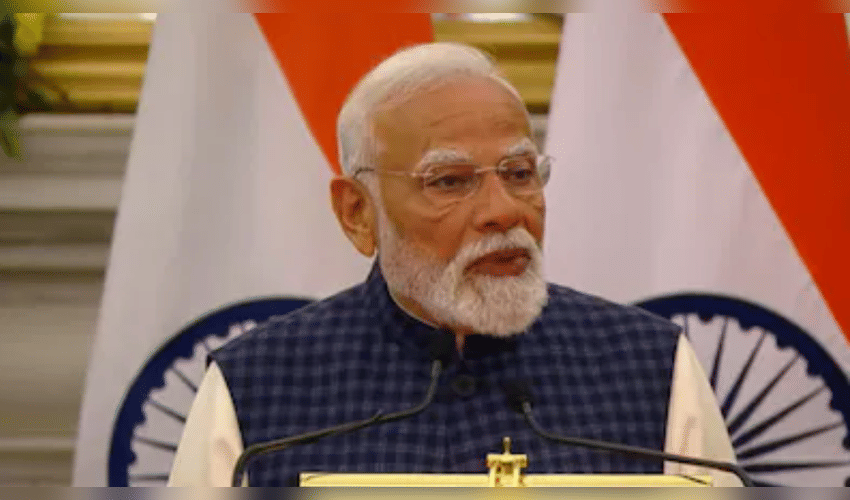

Prime Minister Narendra Modi has intensified India's diplomatic efforts amid the raging Iran-US war, engaging in high-level phone conversations with the leaders of Qatar, Oman, Jordan, and France. In these discussions, Modi strongly denounced recent attacks on critical energy infrastructure in West Asia, calling them "condemnable" and urging immediate de-escalation to prevent a wider crisis.
The outreach comes as tensions boil over in the Middle East, with strikes reportedly targeting oil fields and gas facilities, raising fears of disrupted global energy supplies. Speaking to Qatar's Amir Sheikh Tamim bin Hamad Al Thani, Modi expressed India's full solidarity and highlighted the need to secure vital sea lanes like the Strait of Hormuz, through which nearly one-fifth of the world's oil passes.
Similar messages echoed in his call with Oman's Sultan Haitham bin Tariq, where Modi extended Eid greetings alongside pleas for restraint. With Jordan's King Abdullah II—a close ally—Modi thanked Amman for aiding Indian evacuees and warned that assaults on energy assets could trigger "unnecessary escalation," potentially sending shockwaves through international markets. France's President Emmanuel Macron also featured in the talks, with Modi advocating collaborative diplomacy to restore calm in the region. These conversations build on Modi's earlier engagements with Saudi Arabia, UAE, Israel, and Iran leaders since the conflict erupted last month.
The strikes have already rattled markets, reminiscent of the 2019 Abqaiq attacks that spiked oil prices by 15%. As India imports over 85% of its crude from the Gulf, any prolonged disruption could fuel inflation and strain the rupee. Modi's firm stance reflects India's neutral yet proactive role, positioning it as a potential bridge-builder in the standoff. Officials say more diplomatic moves are likely, with eyes on stabilizing trade routes and averting economic fallout for energy-dependent nations.



