



World
Pakistan Tightens Grip on Foreign Media, Imposes New Restrictions on Reporting
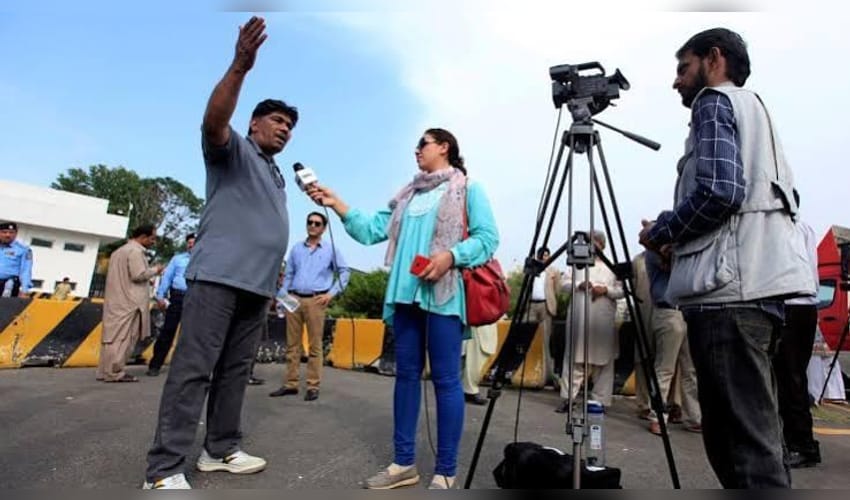

Pakistan has introduced sweeping new restrictions on international media organisations, requiring foreign journalists and contributors including Pakistani nationals working for overseas outlets to obtain government permission before reporting from most parts of the country. Under the newly issued Foreign Media Facilitation Guidelines, 2026, journalists can report without additional permission only in Islamabad, Karachi and Lahore. Reporting from other parts of Pakistan will require a No Objection Certificate (NOC), potentially giving authorities greater control over where and when foreign media can operate.
The move has triggered criticism from journalists, press-freedom advocates and legal experts, who argue that the new rules could further narrow the already restricted space for independent journalism in Pakistan. Political commentator Mustafa Nawaz Khokhar described the guidelines as an attempt to "choke" international media at a time when independent reporting is becoming increasingly difficult. He warned that limiting access to foreign journalists could create more space for misinformation and unverified claims.
Pakistan currently ranks 153rd out of 180 countries in the World Press Freedom Index, according to the BBC's report. Foreign journalists face tighter controls Foreign journalists already require NOCs to travel and report from many parts of Pakistan. According to the BBC, such permissions can take months to obtain or may receive no response, making it difficult for international outlets to cover breaking developments. The new guidelines extend these requirements to contributors and freelancers, including Pakistani nationals working for international organisations who live outside Islamabad, Karachi or Lahore.
The restrictions could particularly affect reporting from areas such as Balochistan, Khyber Pakhtunkhwa and Pakistan-administered Kashmir, where security concerns, political tensions and unrest frequently make independent reporting difficult. Dawn editor Zaffar Abbas strongly criticised the policy, arguing that requiring journalists to obtain permission simply to travel outside three major cities could undermine both freedom of movement and press freedom.
The new restrictions come amid heightened tensions in Pakistan-Occupied Kashmir, where protests and clashes between demonstrators and security forces have reportedly continued for weeks. The BBC reported that international media organisations received a message from Pakistan's External Publicity wing instructing journalists in the region to leave immediately and apply for an NOC. The development followed reports by several international outlets from the area. Restrictions on internet access have also made it harder for journalists and the public to independently verify information emerging from the region. The authorities appear particularly sensitive to coverage of the unrest. Two Pakistani journalists told the BBC that their editors had warned them against reporting on the issue.
Pakistan's government has rejected the suggestion that the new guidelines amount to a blanket restriction on media freedom. It says the measures are intended to establish an administrative mechanism for verifying foreign media personnel, facilitating access and coordinating reporting requirements. The guidelines also allow journalists to lose their accreditation for activities deemed to be against Pakistan's "ideology, sovereignty, security or public order." Critics say such language is too broad and could potentially be used to restrict reporting that is politically inconvenient to the authorities. Legal expert Salhuddin Ahmed questioned the legal foundation of the guidelines, arguing that they amount to an executive order without a clear statutory basis. The government, however, maintains that the rules fall within the administrative powers of the Information Ministry and its External Publicity wing.
The controversy comes against a wider backdrop of growing concerns about press freedom in Pakistan. Critics argue that tighter accreditation rules, travel restrictions and pressure on journalists could make it increasingly difficult for independent media to report from politically sensitive or conflict-affected regions.
International journalists and representatives of Pakistan's Federal Union of Journalists are seeking a meeting with the information minister to raise their objections. For foreign media organisations, the central concern is whether the new system will facilitate reporting or give authorities greater discretion over which journalists can reach sensitive areas and when they can report from them.



