



World
Pakistan Struggling to Control Balochistan, Defence Minister Khawaja Asif Admits
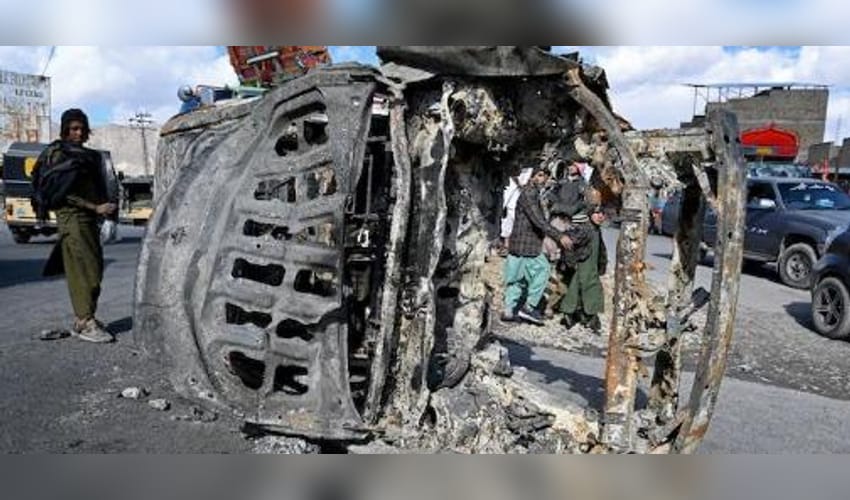

Pakistan’s Defence Minister Khawaja Asif has publicly acknowledged serious difficulties faced by the country’s armed forces in controlling the worsening security situation in Balochistan, admitting that troops are “physically handicapped” while operating in the vast and volatile province.
Speaking during a session of Pakistan’s National Assembly, Asif said Balochistan’s sheer size and rugged terrain have made it extremely difficult for security forces to maintain effective control. The province, which accounts for over 40 per cent of Pakistan’s landmass, continues to witness persistent separatist violence despite years of military operations.
“Balochistan is geographically enormous. It cannot be compared to cities where security forces can easily dominate every street,” Asif told lawmakers, underscoring the operational limitations faced by troops on the ground.
Spike in Violence
The remarks come amid a renewed surge in attacks by Baloch separatist groups, particularly the Balochistan Liberation Army (BLA). Militants have carried out coordinated assaults on security installations, government buildings and infrastructure, triggering intense counter-operations by Pakistani forces. Official sources claim that nearly 200 militants have been killed in recent days during military operations, while at least 22 security personnel have also lost their lives. The military has deployed helicopters, drones and additional ground forces to regain control of contested areas. The escalation has raised concerns internationally, with renewed focus on Pakistan’s ability to contain unrest in its most resource-rich but least stable province.
Government Stance and Blame
Rejecting suggestions of dialogue with insurgent groups, Asif blamed what he termed a “criminal-terror nexus,” alleging that militant outfits are working alongside smuggling and organized crime networks to destabilize the region. He also suggested that insurgents possess advanced weapons, complicating military operations. The defence minister’s candid remarks have sparked political controversy within Pakistan. Opposition lawmakers accused the government of intelligence failures and demanded accountability over the deteriorating law-and-order situation.
Long-Running Insurgency
Balochistan has been at the centre of a low-intensity insurgency for decades. Baloch groups have repeatedly accused Islamabad of political marginalisation and exploiting the province’s natural resources without adequately benefitting the local population. Despite successive military campaigns and development promises, the unrest has persisted. As violence intensifies, Khawaja Asif’s admission has highlighted the depth of Pakistan’s security challenge in Balochistan, raising fresh questions about the effectiveness of its counter-insurgency strategy and the prospects for long-term stability in the troubled province.



