



Asia In News
Pakistan's Propaganda Efforts Falter as India Connects Indus Waters With National Security
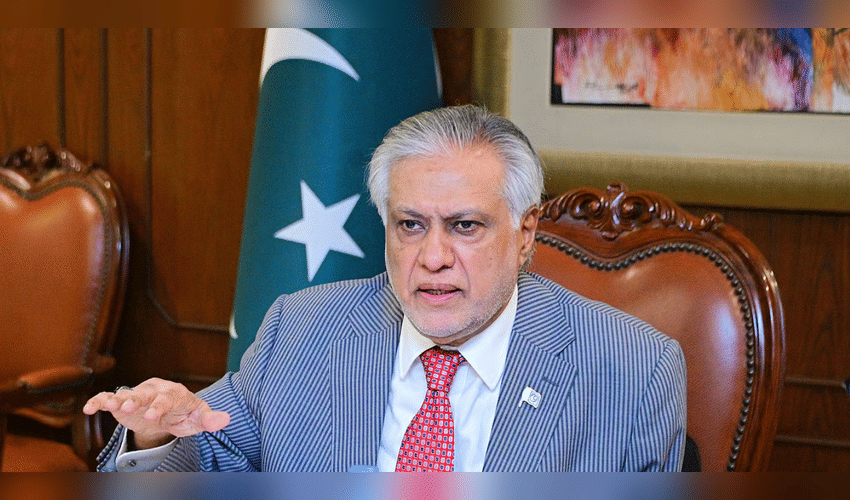

Pakistan’s Deputy Prime Minister and Foreign Minister Ishaq Dar has renewed Islamabad’s international campaign over the Indus Waters Treaty, raising the issue at a seminar in the United States and calling on India to restore the agreement. Dar’s remarks reflect Pakistan’s continued efforts to take the water dispute to international platforms and generate diplomatic pressure on New Delhi. He expressed concern over the future of the treaty and highlighted Pakistan’s dependence on the Indus river system for agriculture, economic activity and water security.
India, however, has maintained that the treaty cannot be considered separately from the broader security relationship between the two countries. New Delhi placed the agreement in abeyance in April 2025 following the Pahalgam terror attack in Jammu and Kashmir, in which 26 civilians were killed. Since then, India has repeatedly made its position clear that cooperation on water cannot continue as usual while cross-border terrorism remains a serious concern. New Delhi has summed up its approach with the phrase, “blood and water cannot flow together”, signalling that the restoration of the treaty is closely linked to Pakistan taking credible and verifiable steps against terror networks targeting India.
Dar’s latest remarks in the US are part of Islamabad’s wider diplomatic effort to portray the suspension as a major humanitarian and economic concern. Pakistan has argued that disruption to the treaty framework could create serious challenges for its agricultural sector and long-term water security.
India, meanwhile, has rejected the broader premise that international intervention should determine the future of the treaty. New Delhi has continued to emphasise that the agreement was built around a wider framework of bilateral cooperation and cannot operate normally in an environment marked by persistent security tensions.
The contrasting positions have turned the Indus Waters Treaty into an increasingly important element of the India-Pakistan dispute. While Islamabad continues to seek international attention and support, India has shown little indication that it will reverse its decision without fundamental changes in the security environment.
The latest developments underline how water security, diplomacy and counter-terrorism have become closely connected in relations between the two neighbours. Once regarded as one of the few enduring examples of India-Pakistan cooperation, the Indus Waters Treaty now sits at the centre of a much broader confrontation over security, trust and bilateral relations.



