



News
Pakistan's Power Crisis Deepens as Chinese Firms Reject Contract Renegotiation
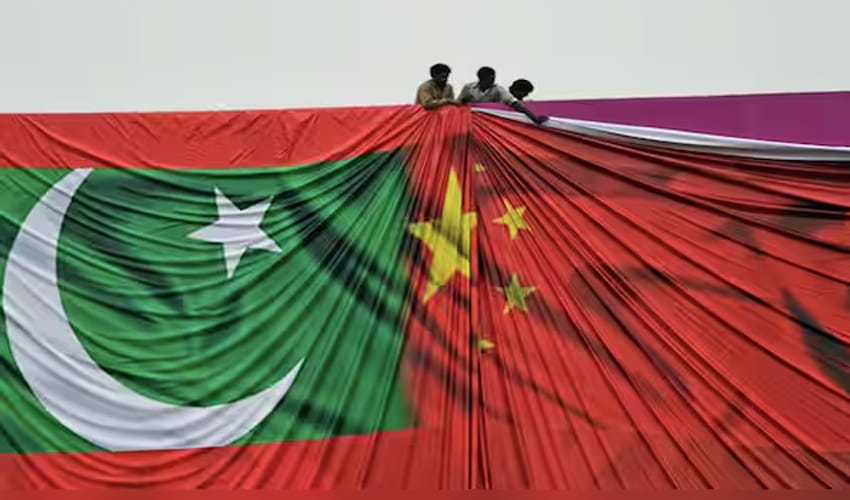

Pakistan’s already fragile power sector has suffered another setback after Chinese independent power producers (IPPs) reportedly rejected the government’s proposal to renegotiate existing power purchase agreements. The refusal threatens to prolong the country’s chronic energy crisis and underscores Islamabad’s limited leverage in revising costly contracts signed under the China-Pakistan Economic Corridor (CPEC).
The Pakistani government has been attempting to renegotiate agreements with power producers to reduce mounting capacity payments, which have become a major burden on the national exchequer. Officials argue that revising the contracts is essential to ease financial pressure on the power sector and lower electricity costs for consumers.
However, Chinese companies have reportedly refused to alter the terms of the agreements, insisting that the contracts were legally negotiated and should be honored in full. The development represents a significant challenge for Pakistan, which is struggling to contain rising circular debt and stabilize its energy sector.
Pakistan’s power sector has been plagued by structural inefficiencies for years. High transmission losses, poor bill recovery, expensive imported fuels, and guaranteed capacity payments to private power producers have combined to create a cycle of mounting debt. Circular debt in the electricity sector has continued to rise, placing increasing pressure on government finances.
The refusal by Chinese firms to renegotiate contracts highlights Islamabad’s dependence on foreign investors for critical infrastructure. Many of the power projects established under CPEC were financed through Chinese loans and investments with long-term contractual guarantees, limiting Pakistan’s flexibility to revise payment terms even during periods of economic distress.
Analysts say the episode exposes the financial risks associated with agreements that guarantee fixed returns to investors regardless of actual electricity demand. As economic growth slowed and power consumption declined, Pakistan continued to make substantial capacity payments, contributing to rising electricity tariffs and increasing fiscal strain.
The dispute also comes at a time when Pakistan is facing severe economic challenges, including high inflation, declining industrial output, foreign exchange shortages, and pressure from international lenders to implement structural reforms. Rising electricity prices have become a major concern for businesses and households alike, affecting industrial competitiveness and increasing the cost of living.
Critics argue that successive governments failed to adequately assess the long-term financial implications of power sector agreements signed during periods of rapid infrastructure expansion. While the projects helped reduce electricity shortages, the associated financial obligations have become increasingly difficult to sustain amid Pakistan’s worsening economic conditions.
The standoff with Chinese power producers also raises broader questions about the balance of Pakistan’s economic partnership with Beijing. Although China remains Pakistan’s largest strategic investor, the reported refusal to revisit contractual terms suggests that commercial commitments are taking precedence over diplomatic goodwill when financial interests are involved.
Energy experts warn that without comprehensive reforms including reducing transmission losses, improving revenue collection, diversifying energy sources, and restructuring the power sector Pakistan’s electricity crisis is likely to persist. Renegotiating contracts alone, they argue, cannot resolve the deep-rooted problems affecting the sector.
As Islamabad continues to search for solutions, the rejection by Chinese firms has narrowed the government’s options, leaving Pakistan to confront the difficult reality of rising debt, expensive electricity, and a power sector that remains one of the country's most pressing economic challenges.
Disclaimer : This image is taken from News18.



