



News
Pakistan's Poverty Crisis Deepens as 27 Million More People Fall Below the Poverty Line
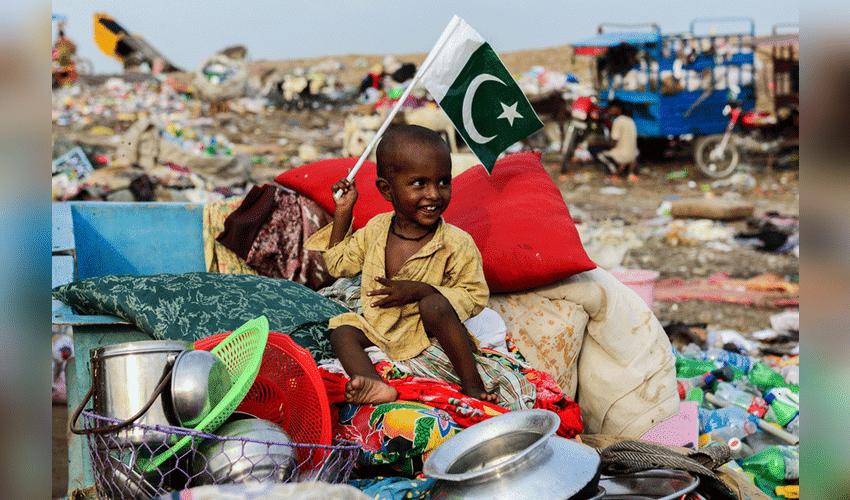

Pakistan is confronting one of the most severe economic and social crises in its history, with an estimated 27 million additional citizens slipping into poverty over the past six years. As the national poverty rate approaches 29 percent, the figures paint a troubling picture of a country struggling to provide economic security and opportunities for millions of its people.
The sharp rise in poverty comes amid years of economic instability, soaring inflation, currency depreciation, political uncertainty, and recurring fiscal crises. While successive governments have promised reforms and recovery, the reality for many Pakistanis has been a steady decline in living standards.
The numbers are alarming. Nearly one in three Pakistanis now lives below the poverty line, reflecting a dramatic reversal of gains made during earlier periods of economic growth. For countless families, rising food prices, increasing utility costs, and stagnant wages have transformed daily survival into a constant challenge.
Food inflation has been particularly devastating. Basic necessities such as wheat flour, cooking oil, sugar, and vegetables have become increasingly unaffordable for lower-income households. The burden has fallen disproportionately on rural communities and urban laborers, many of whom spend a significant portion of their income on food alone.
Pakistan's prolonged economic difficulties have also weakened employment opportunities. Industries facing energy shortages, high borrowing costs, and declining investment have struggled to expand hiring. Young people entering the job market often encounter limited prospects, contributing to frustration and economic insecurity.
The country's repeated reliance on emergency financial assistance has highlighted deeper structural weaknesses. Large fiscal deficits, a narrow tax base, mounting debt obligations, and weak export performance have constrained economic growth. While international lenders have demanded reforms, the immediate impact of austerity measures has often been felt most sharply by ordinary citizens.
Regional disparities have further aggravated the crisis. Provinces such as Balochistan and parts of Sindh continue to experience higher poverty rates than the national average. In many remote areas, inadequate infrastructure, limited access to education, and poor healthcare services have trapped communities in cycles of deprivation.
The growing poverty crisis is not merely an economic issue; it is increasingly becoming a social and political challenge. Rising unemployment, declining purchasing power, and widening inequality can fuel public dissatisfaction and strain social cohesion. Experts warn that without sustained economic growth and targeted social protection programs, poverty levels could remain elevated for years.
Critics argue that Pakistan's leadership has often focused on short-term political battles while neglecting long-term economic planning. Frequent policy reversals, political instability, and governance challenges have discouraged investment and undermined confidence in the economy.
Addressing the crisis will require more than temporary relief measures. Expanding employment opportunities, improving education and healthcare access, strengthening social safety nets, and implementing structural economic reforms will be essential to reversing the trend. Equally important is creating an environment that encourages investment, entrepreneurship, and sustainable growth.
The rise of 27 million additional poor citizens is a stark reminder of the challenges facing Pakistan. Behind every statistic is a family struggling to afford food, education, healthcare, and a better future. Unless meaningful reforms are implemented and economic stability restored, the country's poverty crisis risks becoming one of its defining challenges for the coming decade.
Pakistan's future prosperity will ultimately depend not on headline economic announcements but on whether millions of its citizens can once again find a pathway out of poverty and into economic opportunity.
Disclaimer : This image is taken from The Telegraph.