



Asia In News
Pakistan's Economy Reels from US-Iran War, PM Shehbaz Sharif Warns of Major Blow
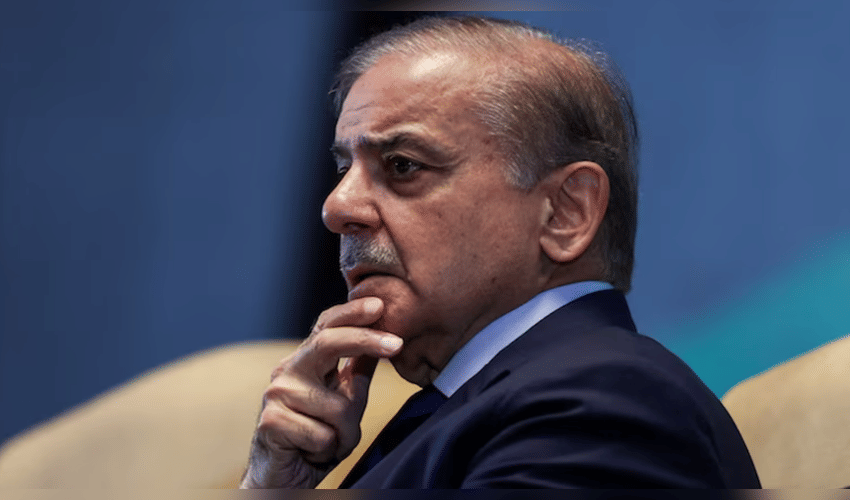

Pakistan's Prime Minister Shehbaz Sharif has sounded the alarm on the devastating economic fallout from the ongoing US-Iran conflict, stating it has erased two years of hard-fought progress and sent oil import costs through the roof. Sharif revealed that Pakistan's weekly oil bill has ballooned to $800 million—more than double pre-war levels—due to crude prices surging past $100 a barrel and disruptions in the Strait of Hormuz. "Our economy is seriously suffering," he said, highlighting how the war, which erupted in late February with US and Israeli strikes on Iran, has reversed recent macroeconomic stability.
The conflict's chokehold on key shipping routes has tripled energy expenses for energy-poor Pakistan, where oil makes up over 30% of power generation. Petrol prices at pumps have jumped 40% in weeks, fueling inflation that's already above 20% and sparking fears of austerity measures or even lockdowns. Farmers in Punjab and urban commuters in Karachi alike are feeling the pinch, with government subsidies stretched thin.
Sharif updated ministers on Pakistan's mediation role, including backing a fragile April ceasefire that briefly eased tensions. A new task force is tracking daily impacts, coordinating provincial aid for essentials, and pushing online schooling to curb fuel demand. Yet with ceasefire talks stalled and regional allies like the UAE reconsidering OPEC ties, experts warn of prolonged pain.
Economists project a 1-2% GDP shave if disruptions persist, compounding Pakistan's debt woes and export slumps. The World Bank echoes this, noting the war's ripples across South Asia and the Middle East are underscoring the urgent need for regional action. As Islamabad braces for more turbulence, Sharif called for national unity: "We've clawed back before; we'll do it again." But with remittances at risk and inflation biting, the path to recovery looks steeper than ever.



