



Military
Pakistan's Dual Approach to Terrorism Draws Renewed Criticism
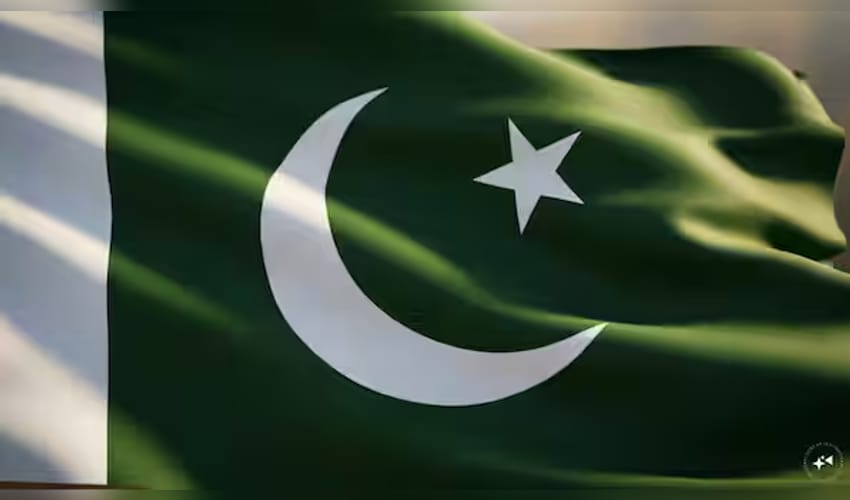

Pakistan’s latest statements on counterterrorism ring hollow against the backdrop of escalating cross-border tensions with Afghanistan, exposing a widening gap between rhetoric and reality.
As a temporary ceasefire between Pakistan and Afghanistan nears its deadline, Pakistan’s Foreign Minister Ishaq Dar has reiterated that the country remains committed to “eradicating the menace of terrorism.” However, this assertion comes at a time when Pakistan’s own military actions across the border are drawing sharp criticism and raising serious humanitarian concerns.
The ceasefire, announced last week to mark the festival of Eid al-Fitr, was intended to pause weeks of hostilities between Pakistan and Taliban-led Afghanistan. Yet, even before its expiration, allegations of continued aggression have surfaced. According to the Taliban authorities, a mortar shell fired by Pakistani forces struck eastern Afghanistan’s Kunar province on Sunday, reportedly killing at least one civilian.
Such incidents cast doubt on Islamabad’s claim that its actions are purely aimed at countering terrorism. While Pakistan maintains that militant groups operating from Afghan soil pose a direct threat to its national security, critics argue that cross-border strikes risk exacerbating instability and civilian suffering rather than resolving the issue.
The broader concern lies in Pakistan’s longstanding approach to regional security—one that has often been accused of being selective and inconsistent. While pledging to eliminate terrorism, the country has faced repeated allegations from international observers of distinguishing between “good” and “bad” militant groups, depending on strategic interests. These perceptions continue to undermine its credibility on the global stage.
Moreover, the timing of Dar’s statement, coinciding with Pakistan Day celebrations, suggests an attempt to project strength and resolve domestically. However, symbolic declarations are unlikely to convince critics unless accompanied by transparent, consistent, and internationally verifiable actions.
As the ceasefire expires, the risk of renewed hostilities looms large. Without meaningful dialogue and a shift away from unilateral military measures, tensions between Pakistan and Afghanistan could spiral further, deepening mistrust and prolonging instability in an already fragile region. Ultimately, Pakistan’s claim of combating terrorism will be judged not by official statements, but by its actions both within its borders and beyond.
Disclaimer: This image is taken from FirstPost.



