



News
Pakistan's Air Raids in Afghanistan Raise Strategic Questions as India - Taliban Ties Grow
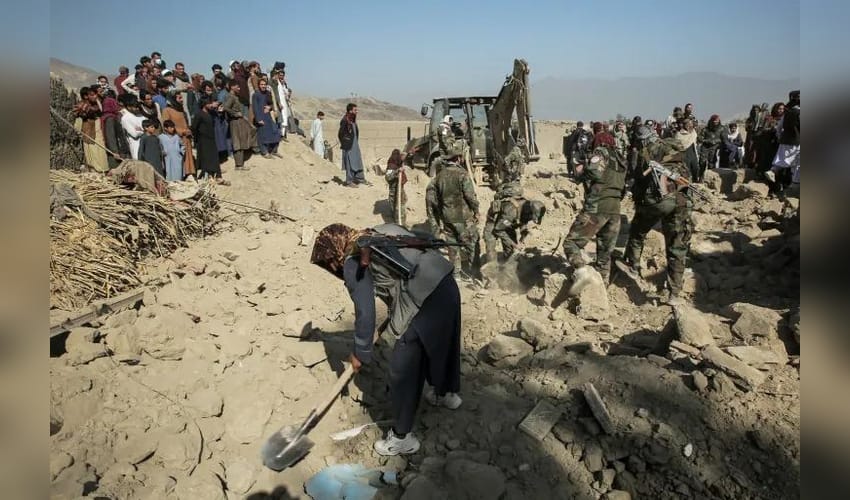

Islamabad/Kabul/New Delhi, February 24, 2026 — Pakistan’s recent airstrikes inside Afghanistan have shattered a fragile ceasefire and intensified regional tensions, prompting fresh debate over Islamabad’s strategy amid shifting geopolitical dynamics — especially as ties between India and the Taliban-led Afghan government deepen.
Cross-Border Strikes Trigger Diplomatic Fallout
On February 22, the Pakistan Air Force conducted multiple air raids across the Afghanistan border in Nangarhar, Paktika and Khost provinces, alleging that the strikes targeted sanctuaries and hideouts of Pakistan-based militant groups, including the Tehrik-e-Taliban Pakistan (TTP) and affiliates of Islamic State-Khorasan Province. Islamabad asserted the operations were “intelligence-based” retaliatory acts following a series of deadly terror attacks on Pakistani soil.
Afghan authorities rejected Pakistan’s claims, stating that the bombardment violated Afghanistan’s sovereignty and hit civilian targets such as homes and a religious school, resulting in civilian deaths, including women and children. The Taliban-led defence ministry condemned the strikes and warned of a “measured and appropriate response” if Pakistan continued such operations.
India’s Response and the Regional Context
India weighed in strongly, condemning the Pakistani strikes as a violation of Afghan sovereignty and highlighting the loss of civilian life during the holy month of Ramadan. New Delhi reiterated its support for Afghanistan’s territorial integrity, framing the attacks as an attempt by Pakistan to deflect from its domestic security challenges.
The incident comes at a time when relations between India and the Taliban-controlled Afghan government have warmed, including diplomatic engagements and expanded cooperation, even though India has stopped short of full official recognition. Analysts say this shift — driven in part by shared concern over Pakistan’s security posture — complicates Islamabad’s strategic calculations in Kabul.
Pakistan’s Strategic Dilemma
For Islamabad, the strikes reflect mounting frustration over repeated militant attacks attributed to groups such as the TTP, which Pakistan contends operate from Afghan territory with insufficient action by the Taliban authorities. Islamabad has repeatedly called on Kabul to take concrete steps against militant sanctuaries, but bilateral negotiations have yielded little substantive progress.
Security analysts suggest Pakistan now faces a strategic bind: continued military pressure against militant targets risks further alienating the Afghan Taliban, pushing them closer to India as a diplomatic partner, even if such ties remain limited. Critics argue that strikes alone may not address the underlying security challenges along the 2,600-km porous border.
Impact on Regional Stability
The renewed hostilities have already disrupted trade across the Pakistan-Afghanistan frontier and eroded ceasefire efforts brokered through Gulf and regional mediators. Saudi Arabia recently facilitated the release of Pakistani soldiers captured during 2025 border clashes, underscoring the fragile nature of peace efforts, but the deeper political rifts remain unresolved.
With India openly voicing support for Kabul and Pakistan adopting a more confrontational stance, the geopolitical landscape in South Asia appears increasingly complex. Experts note that Pakistan must balance its military response with diplomatic engagement if it hopes to stabilise ties with Afghanistan and prevent its foreign policy challenges from deepening.
Looking Ahead
As regional powers watch the situation closely, Islamabad faces pressure to refine its strategy: combining security measures against militants with broader diplomatic initiatives that address the underlying mistrust with Kabul and counterbalance India’s expanding role in Afghanistan. Whether this approach can curb violence and restore stability remains uncertain amid the current climate of escalating tensions.
This image is taken from aljazeera.



