



News
Pakistan Restores Lahore Pre Partition Street Names In Major Heritage Revival Drive
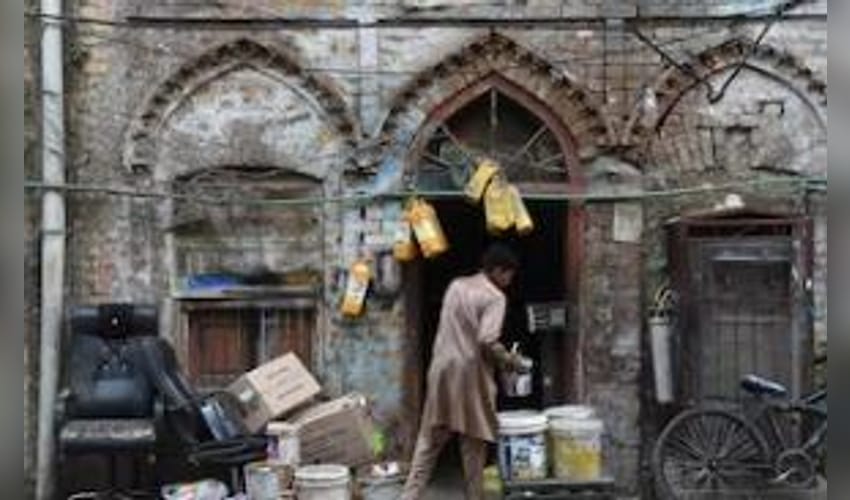

Nearly eight decades after Partition reshaped the subcontinent, Pakistan’s Punjab government has launched an ambitious effort to restore Lahore’s pre-Partition identity by bringing back old Hindu, Sikh and colonial-era names to several streets, neighbourhoods and landmarks across the city.
Under the initiative approved by the Punjab Cabinet led by Chief Minister Maryam Nawaz, several well-known localities are reverting to their historical names. Islampura is once again being referred to as Krishan Nagar, Babri Masjid Chowk has reverted to Jain Mandir Chowk, while Sunnat Nagar is returning to its older name, Sant Nagar. Dharampura is also reclaiming its pre-renaming identity after decades as Mustafabad.
Officials say the move is part of a broader heritage revival project aimed at reconnecting Lahore with its layered cultural history — one shaped by Muslim, Sikh, Hindu, Christian and colonial influences over centuries. The initiative is reportedly being overseen by former Prime Minister Nawaz Sharif under the Lahore Heritage Areas Revival programme.
The restoration effort goes beyond just neighbourhood names. Historic roads such as Queen’s Road, Davies Road and Lawrence Road are also expected to regain their earlier identities after decades of renaming under successive governments. Several of these names had originally been replaced with Islamic or nationalist titles following Partition and later phases of Islamisation in Pakistan.
Interestingly, many Lahoris never fully stopped using the old names in daily life despite official changes. Historians and heritage activists say residents continued referring to places like Lakshmi Chowk and Krishan Nagar informally, preserving the city’s older identity through memory and local culture.
The decision has triggered widespread debate in Pakistan. Supporters see the move as a rare acknowledgment of Lahore’s multicultural past and a step toward preserving historical continuity. Critics, however, argue that the renaming exercise alone cannot address the broader erosion of minority heritage sites and cultural spaces over decades.
The initiative also includes plans to revive historical cricket grounds, old wrestling arenas and colonial-era architecture linked to Lahore’s pre-Partition history. Restoration work is reportedly underway on multiple heritage structures, including churches and Sikh-era sites associated with Maharaja Ranjit Singh’s rule.
Observers say the project reflects a significant shift in Pakistan’s cultural narrative, especially in a country where public spaces were historically renamed to emphasise Islamic identity after 1947. Whether the effort develops into a long-term preservation movement or remains largely symbolic will likely depend on how consistently authorities protect Lahore’s remaining heritage in the years ahead.



